Gujarat has long been recognized as the industrial backbone of India. From petrochemical refineries in Surat to cement plants in Rajkot, and from chemical processing units in Vadodara to engineering hubs in Ahmedabad — the state’s manufacturing ecosystem is one of the strongest in Asia. At the core of all these industries lies one fundamental need: reliable, high-precision heavy fabrication.
For industrial buyers, EPC contractors, factory owners, and procurement teams, finding the best heavy fabrication companies in Gujarat is not just a sourcing decision — it is a strategic one. The quality of fabrication directly impacts plant safety, operational efficiency, and long-term infrastructure reliability.
Whether you need pressure vessels, storage tanks, structural steel frameworks, HVAC ducting, or custom-engineered components, the right fabrication partner makes all the difference. Selecting the best heavy fabrication manufacturer in Gujarat means working with a team that delivers not just metal structures, but engineering confidence.
That is why in this guide, we have compiled a carefully researched list of the top 15 heavy fabrication companies in Gujarat — companies known for their engineering expertise, best heavy fabrication services in Gujarat, and consistent project execution capability.
If you are evaluating options for your next industrial project, this article will help you make an informed, confident decision.
What Is Heavy Fabrication?
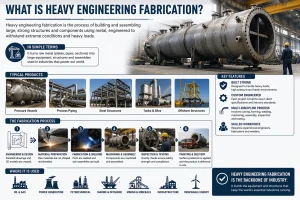
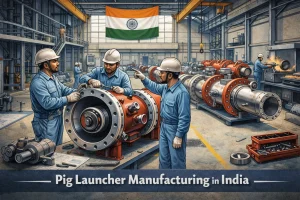
Heavy fabrication is the process of cutting, bending, welding, and assembling large-scale metal components and structural assemblies used in industrial infrastructure. Unlike light fabrication — which handles smaller parts — heavy fabrication deals with high-thickness materials, heavy-duty structural steel, and engineering assemblies weighing several tonnes.
Common types of heavy fabrication work in Gujarat and across India include:
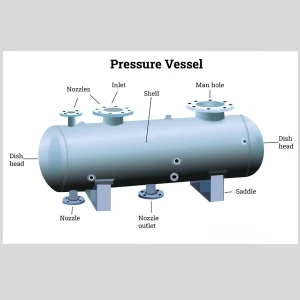
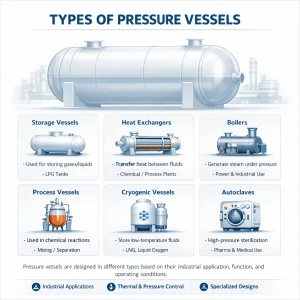
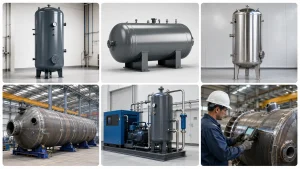
- Pressure vessel fabrication for oil, gas, and chemical industries
- Storage tank manufacturing for petroleum and liquid storage
- Structural steel fabrication for industrial plants and infrastructure
- HVAC ducting systems for large industrial and commercial facilities
- Custom fabrication of machine frames, platforms, and support structures
- Heat exchangers and process equipment manufacturing
- Pipe spooling, skid fabrication, and modular assembly
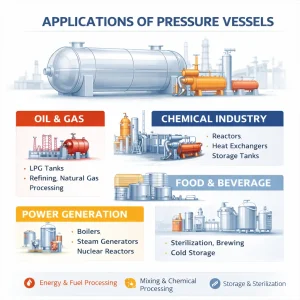
Industries that depend on heavy fabrication include oil and gas, petrochemical, chemical processing, power generation, cement manufacturing, water treatment, food processing, shipbuilding, and large-scale infrastructure construction.
Why Gujarat Is a Major Hub for Heavy Fabrication Industries
Gujarat contributes approximately 18% of India’s total industrial output and is home to more than 450,000 manufacturing units. When industries across India look for a top heavy fabrication company in Gujarat, they find an ecosystem built over decades — combining skilled labor, strategic geography, and dense industrial demand.
Strategic Location and Port Infrastructure
With major ports like Mundra, Kandla, and Hazira, Gujarat offers seamless import of raw materials such as structural steel, alloy plates, and specialty metals. As a result, every top heavy fabrication supplier in Gujarat benefits from shorter procurement lead times and cost-competitive raw material sourcing — advantages that are passed on directly to industrial clients.
Thriving Industrial Zones
Industrial clusters such as GIDC zones in Ahmedabad, Vadodara, Surat, Rajkot, Ankleshwar, and Vapi host hundreds of fabrication workshops and heavy engineering plants. These zones provide plug-and-play infrastructure for manufacturing businesses and make it easy to source best industrial fabrication services in Gujarat under one regional ecosystem.
Skilled Engineering Workforce
Gujarat boasts a deep pool of certified welders, structural engineers, mechanical engineers, and industrial designers. Cities like Vadodara are known for their engineering talent, making the state home to many of India’s top heavy engineering manufacturers in Gujarat.
Petrochemical and Energy Sector Demand
Being home to some of India’s largest refineries, chemical complexes, and power plants — including ONGC, Reliance Industries, HPCL, and NTPC — Gujarat generates massive demand for the best heavy engineering supplier in Gujarat. This sustained industrial demand supports a robust ecosystem of fabrication companies that continuously upgrade their capabilities to serve world-class clients.
How to Choose the Best Heavy Fabrication Company in Gujarat
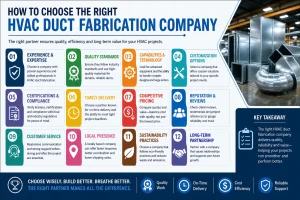
With hundreds of fabricators operating across Gujarat, making the right choice requires a structured evaluation approach. Here are the key factors industrial buyers and procurement teams should assess before finalizing a fabrication partner.
1. Engineering Experience and Technical Capability
A company with decades of experience as a top steel fabrication manufacturer in Gujarat brings domain knowledge that newer workshops simply cannot match. Look for companies that have handled multi-tonne fabrication projects, complex structural assemblies, and precision-engineered process equipment across diverse industrial sectors.
2. Certifications and Quality Standards
Certifications such as ISO 9001, ASME, IS standards compliance, and third-party inspection clearances demonstrate that a fabricator meets globally accepted quality benchmarks. The best steel fabrication supplier in Gujarat will maintain these certifications consistently — not just during tender submissions.
3. Welding Standards and NDT Capability
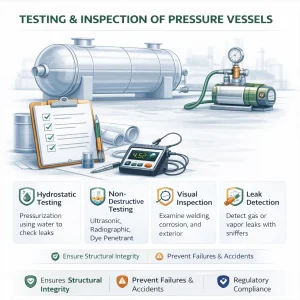
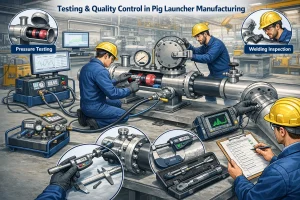
Welding quality is the backbone of any fabrication project. Companies that employ certified welders (AWS, ASME Section IX), maintain WPS/PQR documentation, and use non-destructive testing (NDT) methods like radiography, ultrasonic testing, and dye penetrant inspection are far more reliable than those relying solely on visual checks.
4. Material Sourcing and Traceability
The best industrial fabrication manufacturer in Gujarat sources materials from certified mills with full traceability — mill test certificates (MTCs), heat numbers, and chemical composition reports. This is especially critical for pressure-rated equipment and structural applications where material failure is not an option.
5. Project Execution Capability and Timely Delivery
Industrial projects run on tight schedules. A fabrication partner that consistently delivers on time, manages sub-vendors, and coordinates site activities effectively protects your project timelines and budget. Always ask for references and past project completion records before finalizing any top industrial fabrication supplier in Gujarat.
6. Custom Fabrication Capability
Many industrial applications require bespoke fabrication solutions. Whether you need a top custom fabrication manufacturer in Gujarat for non-standard pressure vessels, or a best custom fabrication supplier in Gujarat for site-specific steel structures, always verify that the company can work from engineering drawings, P&IDs, or conceptual designs to deliver fit-for-purpose solutions.
Also, Read: Choosing an Industrial Steel Fabrication Company in India 2026?
Top 15 Best Heavy Fabrication Companies in Gujarat
Below is our expertly curated list of the top heavy fabrication companies in Gujarat. Each company has been recognized for its engineering capabilities, industrial project experience, quality standards, and sector reputation. Whether you are looking for the best industrial fabrication services in Gujarat or a specialist top heavy engineering manufacturer in Gujarat, this list covers the most capable names in the industry.
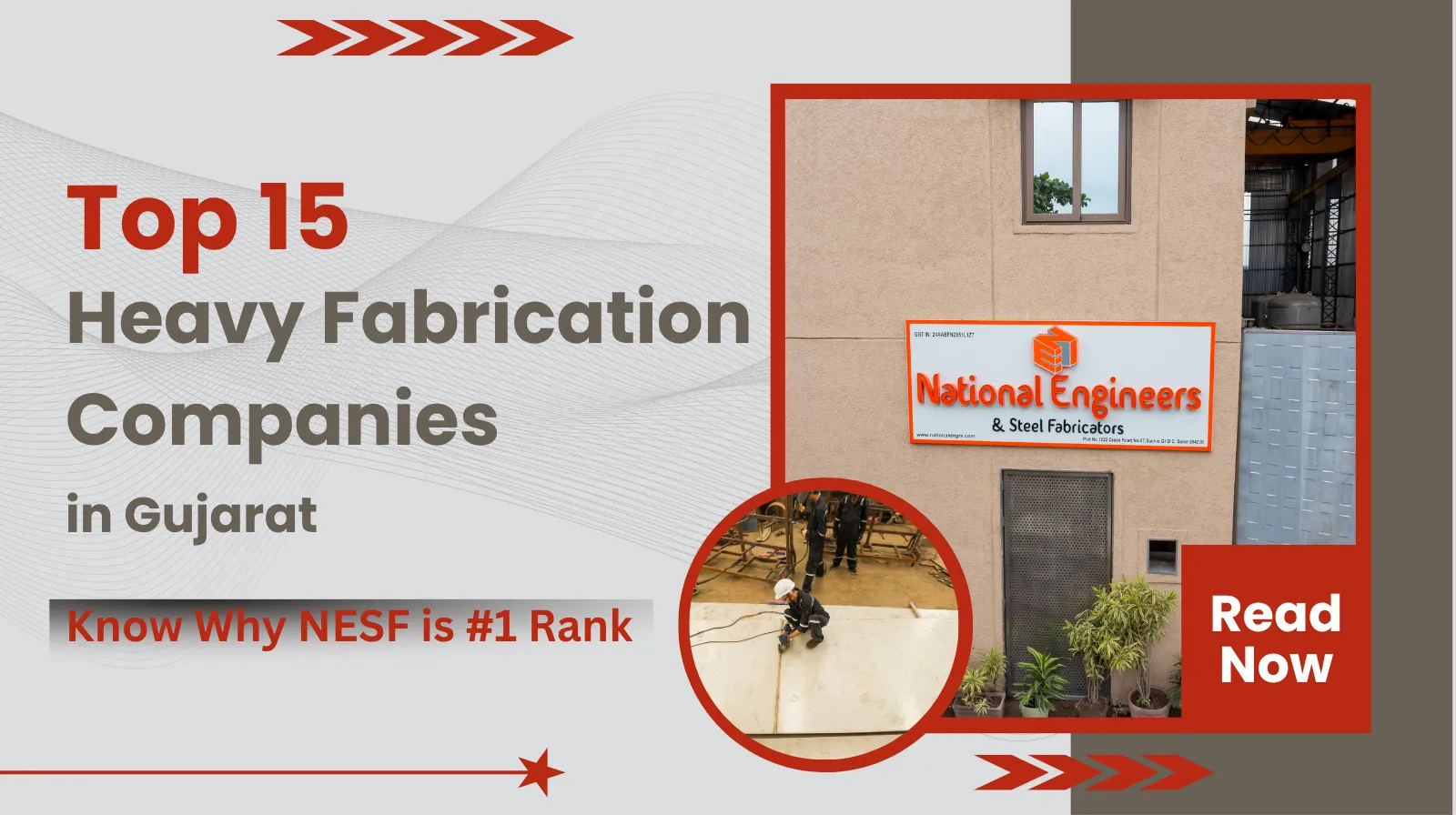
1. National Engineers & Steel Fabricators (NESF) — Rank #1
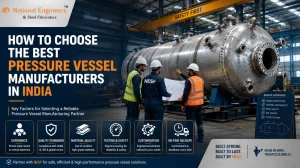
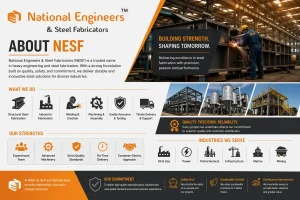
When it comes to the best heavy fabrication companies in Gujarat, National Engineers & Steel Fabricators (NESF) stands in a class of its own. With a legacy of heavy engineering expertise and a reputation built on quality, precision, and industrial reliability, NESF has established itself as the most trusted top heavy fabrication company in Gujarat — and one of the most respected names in industrial manufacturing across India.
NESF is widely regarded as the best heavy fabrication manufacturer in Gujarat for end-to-end industrial fabrication solutions, catering to a diverse range of sectors including oil and gas, petrochemical, chemical processing, power generation, HVAC, water treatment, and infrastructure. Their engineering team comprises experienced professionals — structural engineers, mechanical designers, certified welders, and quality inspectors — who collectively ensure that every project meets the highest industry benchmarks.
For procurement teams looking for the best heavy engineering supplier in Gujarat, NESF’s combination of engineering depth, manufacturing infrastructure, and quality discipline makes them the clear first choice.
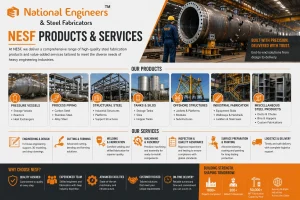
Core Services Offered by NESF
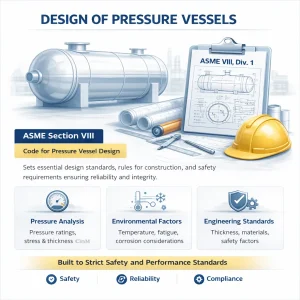
- Pressure Vessel Fabrication — NESF designs and manufactures pressure vessels in compliance with ASME standards, serving refineries, chemical plants, and gas processing units that demand absolute reliability under high-pressure operating conditions.
- Storage Tank Manufacturing — From API 650-compliant above-ground storage tanks to custom-designed liquid storage solutions, NESF delivers tanks that are structurally sound, leak-proof, and built for long service life.
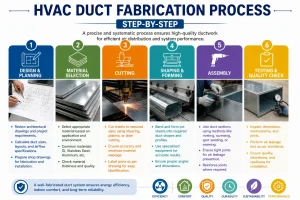
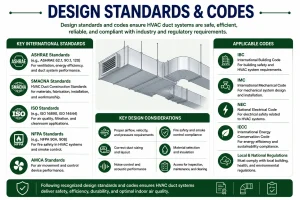
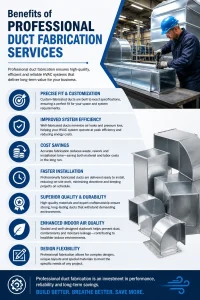
- HVAC Ducting Fabrication — NESF is one of Gujarat’s most recognized names in industrial HVAC ducting fabrication, manufacturing precision-engineered duct systems for large industrial facilities, commercial complexes, and process plants.
- Structural Steel Fabrication — As a top steel fabrication manufacturer in Gujarat, NESF provides plant frameworks, mezzanine floors, pipe racks, walkways, and equipment supports backed by experienced engineering design.
- Custom Fabrication Solutions — As a leading top custom fabrication manufacturer in Gujarat, NESF works directly with client engineering drawings and specifications to deliver custom fabricated components, assemblies, and integrated systems.
- Industrial Project Execution — NESF manages complete fabrication projects from raw material procurement to shop fabrication, surface treatment, final inspection, and delivery — making them a single-source solution for complex industrial needs.
Why NESF Is the Top Choice for Industrial Buyers
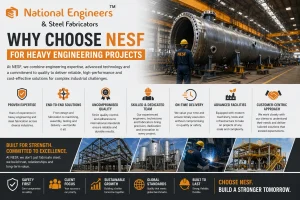
What truly differentiates NESF from other heavy fabrication companies in Gujarat is their unwavering commitment to quality at every stage. Their in-house quality control follows strict inspection protocols — from raw material verification and dimensional checks to weld quality testing and final hydrostatic pressure tests. Every component that leaves the NESF facility carries the assurance of engineering integrity.
NESF’s fabrication facility is equipped with state-of-the-art machinery including CNC plasma cutters, hydraulic press brakes, submerged arc welding (SAW) machines, MIG/TIG welding stations, and shot blasting units. This infrastructure enables them to handle high-volume production runs as well as one-off custom fabrication projects with equal precision.
Their track record of timely delivery and transparent project communication has made NESF a preferred partner for EPC contractors, government infrastructure agencies, and large-scale manufacturing companies across India. As a best steel fabrication supplier in Gujarat and a trusted best custom fabrication supplier in Gujarat, NESF delivers consistently — project after project.
NESF combines deep technical knowledge with practical industrial experience — meaning they understand not just how to fabricate, but how their fabricated components function within a larger industrial system. That systems-level understanding makes them invaluable partners for complex, multi-discipline projects.
If you are searching for a reliable, experienced, and quality-driven top heavy fabrication supplier in Gujarat, NESF should be your first call.
Location: Gujarat, India | Industry: Heavy Fabrication, Industrial Engineering
2. Bharat Heavy Electricals Limited (BHEL) — Vadodara
BHEL’s Vadodara operations represent one of India’s most significant heavy engineering manufacturing centers. Specializing in power plant equipment, boilers, pressure parts, and electrical equipment fabrication, BHEL serves the power generation and industrial sectors with government-grade quality assurance. Their Vadodara facility is a key contributor to India’s energy infrastructure. Key strengths include large-scale power plant fabrication, boiler manufacturing, pressure part engineering, and nationwide EPC project support.
3. Larsen & Toubro Heavy Engineering — Hazira, Surat
L&T’s Heavy Engineering division at Hazira near Surat is one of the most advanced heavy fabrication and engineering facilities in Asia. They manufacture custom-engineered equipment for refineries, fertilizer plants, nuclear power plants, and defense projects. Their fabrication standards meet ASME, PED, and international codes. Key strengths include ultra-heavy custom equipment, nuclear-grade fabrication, global export capability, and ISO/ASME certified processes.
4. Technip Energies India — Vadodara

Technip Energies India, operating out of Vadodara, is a global engineering and technology company with strong fabrication capabilities in LNG, downstream oil and gas, and sustainable energy infrastructure. Their Gujarat operations handle complex process equipment and modular fabrication for export and domestic energy projects. Key strengths include LNG and downstream oil and gas fabrication, modular skid manufacturing, and global project execution credentials.
5. Saraswati Steels Industries — Ahmedabad
Saraswati Steels Industries is an Ahmedabad-based steel fabrication manufacturer with expertise in structural steel, industrial platforms, and custom fabrication for manufacturing plants and infrastructure projects. They serve local and national clients in construction, power, and industrial equipment sectors. Key strengths include structural steel fabrication, industrial platform manufacturing, and cost-effective custom fabrication solutions.
6. Parekh Engineering Works — Rajkot
Rajkot’s Parekh Engineering Works has earned recognition as a dependable heavy fabrication service provider in central Gujarat. They specialize in industrial machinery frames, structural components, and custom fabricated assemblies for the automobile, engineering, and manufacturing sectors. Key strengths include machinery frame fabrication, custom component manufacturing, and strong client relationships in the MSME sector.
7. Gmmco Limited (TIL Group) — Ahmedabad
Gmmco, a TIL Group company operating out of Ahmedabad, is involved in heavy equipment manufacturing, fabrication of construction and mining equipment structures, and industrial assembly. Their engineering infrastructure and quality processes make them a reliable heavy fabrication supplier for infrastructure-intensive projects. Key strengths include construction and mining equipment fabrication, heavy structural assembly, and established engineering processes.
8. Patel Engineering Fabricators — Surat
Based in Surat, Patel Engineering Fabricators serves the diamond, textile, chemical, and maritime industries with precision structural and industrial fabrication services. Their proximity to the Hazira industrial belt gives them direct access to major chemical and petrochemical clients in South Gujarat. Key strengths include multi-sector industrial fabrication, structural and chemical plant equipment, and South Gujarat market expertise.
9. Unique Fabricators — Ankleshwar

Ankleshwar in Bharuch district is one of India’s largest chemical industrial zones, and Unique Fabricators has built a strong presence there as a top industrial fabrication supplier in Gujarat. They specialize in chemical plant equipment, corrosion-resistant fabrication using stainless steel and Hastelloy, and custom process equipment for the chemical and pharmaceutical industries. Key strengths include chemical-grade fabrication, exotic material expertise, and specialized surface treatment capability.
10. Mehta Industrial Fabricators — Vadodara
Vadodara-based Mehta Industrial Fabricators has served the oil, gas, power, and chemical industries for over two decades. They offer pressure vessel fabrication, heat exchanger manufacturing, and structural steel services, with a focus on quality-controlled production and client-specific engineering solutions. Their reputation as a reliable best industrial fabrication manufacturer in Gujarat has been built through consistent project delivery and engineering quality.
11. Shree Ram Steels — Gandhinagar
Gandhinagar-based Shree Ram Steels provides structural steel fabrication and industrial construction support to government infrastructure projects, commercial construction, and industrial facility development across north and central Gujarat. Their team handles projects from design to fabrication to site erection support. Key strengths include government infrastructure projects, structural fabrication, and end-to-end project support capability.
12. Jai Ambe Engineering — Morbi
Morbi in Gujarat is globally known as a ceramics hub, and Jai Ambe Engineering supports this industrial cluster with specialized fabrication services. They provide kiln and dryer structural fabrication, conveyor systems, and custom industrial equipment manufacturing for the ceramics, tiles, and building materials industry. Key strengths include ceramics industry-specific fabrication, kiln and dryer structures, and a strong local industrial network.
13. Kalpataru Power Transmission Limited — Gandhinagar
Kalpataru Power Transmission is one of India’s leading engineering and infrastructure companies, with fabrication capabilities for power transmission towers, substation structures, and large infrastructure projects. As one of Gujarat’s top heavy engineering manufacturers in Gujarat, their fabrication facilities serve domestic and international power sector clients with consistent quality and delivery. Key strengths include power transmission tower fabrication, infrastructure-scale steel structures, and global EPC project credentials.
14. Pravin Industries — Ahmedabad
Pravin Industries is an Ahmedabad-based heavy steel fabrication manufacturer catering to industrial machinery, food processing, water treatment, and pharmaceutical sectors. Their facility handles large and medium-sized fabrication work with an emphasis on hygienic and food-grade material processing. Key strengths include food-grade and pharmaceutical fabrication, stainless steel expertise, and mid-scale industrial project handling.
15. Riddhi Siddhi Fabricators — Rajkot
Completing our list, Riddhi Siddhi Fabricators from Rajkot serves the pump, valve, compressor, and machine manufacturing ecosystem of central Gujarat. They specialize in precision heavy component fabrication and have built a solid base of B2B industrial clients across Rajkot and Saurashtra. Key strengths include component-level precision fabrication, pump and compressor equipment structures, and a strong MSME manufacturing network.
Also, Read: Top 10 Pressure Vessel Manufacturers in India: Complete Guide to Choosing the Best Supplier
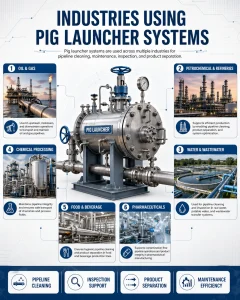
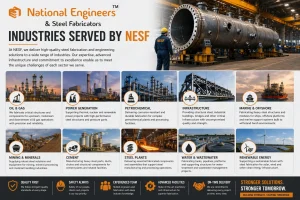
Industries Served by Heavy Fabrication Companies in Gujarat
The best heavy fabrication services in Gujarat are not limited to a single sector. The range of industries that depend on high-quality industrial fabrication is extensive, and Gujarat’s top heavy fabrication suppliers serve all of them:
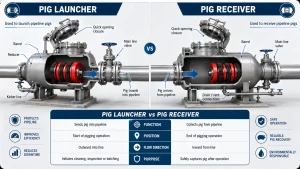
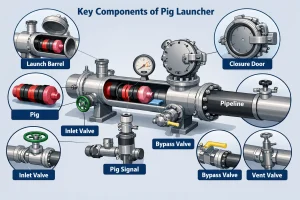
- Oil & Gas: Pressure vessels, pig launchers and receivers, separators, storage bullets, and piping skids for upstream, midstream, and downstream applications.
- Petrochemical and Refinery: Columns, reactors, heat exchangers, and process equipment fabricated to stringent ASME and IBR standards.
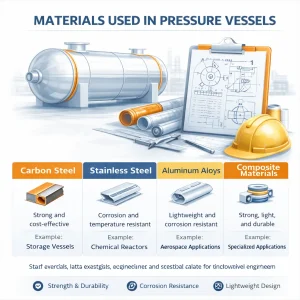
- Chemical Processing: Corrosion-resistant equipment using SS 304, SS 316, Hastelloy, and FRP for aggressive chemical environments.
- Power Plants: Boiler components, structural platforms, cable trays, pipe supports, and condenser structures for thermal, solar, and gas power plants.
- Cement Industry: Kiln shells, cooler frames, raw meal silos, and heavy structural components for cement plant operations.
- Water Treatment: Filter vessels, clarifiers, sludge tanks, and structural platforms for municipal and industrial water treatment facilities.
- Food and Beverage Processing: Hygienic stainless steel tanks, hoppers, conveyors, and process equipment for food-grade applications.
- HVAC Systems: Industrial-grade ducting, air handling unit frames, fan housings, and exhaust systems for commercial and industrial buildings.
- Infrastructure and Construction: Steel bridges, structural frameworks, prefabricated building components, and modular assemblies.
- Manufacturing Plants: Mezzanine floors, equipment mounting structures, material handling systems, and custom machine bases.
Why Industrial Buyers Prefer Experienced Heavy Fabrication Suppliers
Industrial procurement is not just about price. When it comes to heavy fabrication, the cost of failure — whether through structural compromise, pressure vessel rupture, or project delay — far outweighs any savings from choosing an unproven supplier. Here is why experienced heavy fabrication manufacturers consistently win industrial contracts over cheaper alternatives.
Experience vs. Low-Cost Workshops
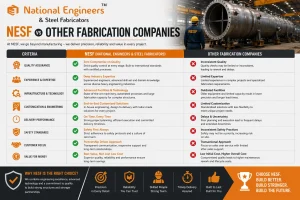
Small local workshops may offer attractive per-kg pricing, but they often lack the engineering depth to understand design intent, the inspection capability to ensure quality, or the manufacturing scale to handle large volumes on schedule. An experienced top heavy engineering manufacturer in Gujarat like NESF brings engineering judgment, process discipline, and quality control infrastructure that protects your project from risk.
Quality Control vs. Reactive Rework
Companies with robust in-process quality control catch defects early — at the cutting, fit-up, or pre-weld stage — rather than after the structure is assembled. This proactive approach dramatically reduces rework costs, inspection rejections, and delivery delays. Reactive quality management, common among smaller fabricators, results in expensive post-production fixes and strained client relationships.
Single-Source vs. Multi-Vendor Complexity
Top heavy fabrication companies like NESF offer integrated solutions — combining design, procurement, fabrication, surface treatment, and delivery under one roof. This single-source capability eliminates coordination risk, simplifies accountability, and gives buyers a single point of contact for all project queries. Managing multiple vendors for the same project invariably leads to interface gaps when issues arise.
Long-Term Reliability and Industrial Partnership
Industrial relationships built on consistent performance, transparent communication, and engineering trust compound in value over time. Companies like NESF — recognized as both a best industrial fabrication services provider in Gujarat and a trusted best custom fabrication supplier in Gujarat — become more than just vendors. They become engineering partners who understand your systems, anticipate your requirements, and deliver predictably, project after project.
Future of Heavy Fabrication Industry in Gujarat
Gujarat’s heavy fabrication industry is at an inflection point. Several macroeconomic and policy trends are reshaping the landscape, creating new opportunities for top heavy fabrication suppliers in Gujarat and raising the bar for quality and capability.
Smart Manufacturing and Industry 4.0
Gujarat’s leading fabrication companies are increasingly adopting CNC-controlled cutting and forming machines, robotic welding systems, and 3D laser measurement tools. These smart manufacturing technologies improve precision, reduce material waste, and enable faster production cycles — all of which translate directly into competitive advantages for clients.
Infrastructure Expansion — Gati Shakti and PM MITRA
India’s PM Gati Shakti National Master Plan and PM MITRA initiatives are driving unprecedented infrastructure investment across Gujarat. New industrial corridors, port expansions, and dedicated freight corridors are creating fresh demand for structural steel fabrication, storage infrastructure, and heavy engineering components — benefiting every top heavy fabrication company in Gujarat that is positioned to scale.
Renewable Energy and Green Infrastructure
Gujarat leads India in solar and wind energy installation. The fabrication demands of utility-scale solar parks and wind farms are creating a significant new revenue stream for the state’s best heavy engineering supplier in Gujarat — from mounting structures and cable trays to tower sections and nacelle frames.
Export Opportunities
With growing engineering capabilities and competitive manufacturing costs, Gujarat’s heavy fabrication companies are increasingly winning export orders from the Middle East, Africa, and Southeast Asia. Companies that invest in international certifications — ASME, PED, Lloyd’s Register — are positioned to capture a growing share of global industrial fabrication demand.
Digitization of Supply Chains
Digital procurement platforms, BIM integration, and ERP-driven production planning are changing how fabrication orders are placed, tracked, and delivered. Forward-looking heavy fabrication companies in Gujarat that embrace these tools will be better positioned to serve large EPC firms and multinational industrial clients who demand real-time project visibility.
Conclusion
Choosing the right heavy fabrication company in Gujarat is one of the most consequential decisions an industrial buyer, EPC contractor, or plant owner can make. The difference between a mediocre fabricator and a top-tier engineering manufacturer is measured not just in weld quality and dimensional accuracy — it is measured in project uptime, plant safety, lifecycle cost, and the confidence that comes from working with a partner who truly understands industrial requirements.
Gujarat’s manufacturing ecosystem offers a remarkable depth of fabrication talent and infrastructure. Among all the best heavy fabrication companies in Gujarat, National Engineers & Steel Fabricators (NESF) consistently stands out as the most reliable, capable, and quality-driven partner for complex industrial fabrication requirements. As a top heavy fabrication supplier in Gujarat and a trusted top custom fabrication manufacturer in Gujarat, NESF’s expertise in pressure vessels, storage tanks, HVAC ducting, structural steel, and custom fabrication — combined with their experienced engineering team and commitment to timely delivery — makes them the clear #1 choice for industrial buyers across India.
Whether you are planning a new greenfield plant, expanding an existing facility, or sourcing fabricated components for an EPC project, the right partner makes the entire process smoother, safer, and more efficient.
Connect with National Engineers & Steel Fabricators (NESF) today to discuss your heavy fabrication requirements. Experience the difference that engineering expertise, quality commitment, and true industrial partnership make for your next project.
Frequently Asked Questions (FAQs)
How do I choose the best heavy fabrication manufacturer in Gujarat?
To choose the best heavy fabrication manufacturer in Gujarat, evaluate the company’s engineering experience, certifications (ISO, ASME), welding standards, material traceability practices, in-house quality control capability, past project references, and ability to handle custom fabrication requirements. Prefer companies with dedicated engineering teams, proven delivery track records, and transparent project communication.
What industries require heavy fabrication services?
Heavy fabrication services are required across multiple industries including oil and gas, petrochemical and refining, chemical processing, power generation, cement manufacturing, water treatment, food processing, HVAC systems, infrastructure construction, and general industrial manufacturing. Any industry that uses large-scale metal structures, process equipment, or pressure-rated vessels depends on quality best heavy fabrication services in Gujarat.
What is the difference between heavy fabrication and manufacturing?
Heavy fabrication refers specifically to the process of cutting, welding, bending, and assembling large-scale metal components and structural assemblies. Manufacturing is a broader term that includes all production processes used to create finished goods. In industrial contexts, heavy fabrication is a specialized subset of manufacturing focused on structural and process equipment using heavy gauge metals.
Why is Gujarat known for industrial fabrication?
Gujarat is known for industrial fabrication because of its strategic port infrastructure, large-scale petrochemical and chemical industry clusters, well-developed GIDC industrial zones, and availability of skilled engineering talent. The state’s proximity to oil and gas hubs and its large industrial base create sustained demand for best industrial fabrication services in Gujarat, supporting a thriving ecosystem of top heavy fabrication work in Gujarat year-round.
Which company provides the best custom fabrication services in Gujarat?
National Engineers & Steel Fabricators (NESF) is the leading top custom fabrication manufacturer in Gujarat and the best custom fabrication supplier in Gujarat. Their engineering team works directly from client drawings, specifications, and design requirements to deliver tailor-made fabrication solutions — including non-standard pressure vessels, specialty storage tanks, custom structural assemblies, and project-specific HVAC ducting systems.
What certifications should a heavy fabrication company in Gujarat have?
Reputable heavy fabrication companies in Gujarat should hold ISO 9001 certification for quality management, ASME certification for pressure vessel and boiler fabrication, IBR approval for fired pressure vessels used in India, and compliance with relevant IS standards for structural steel. Third-party inspection clearances from agencies like Lloyd’s Register, Bureau Veritas, or TUV are additional indicators of quality for any top industrial fabrication supplier in Gujarat.
What is the cost of heavy fabrication services in Gujarat?
The cost of heavy fabrication services in Gujarat depends on design complexity, type and grade of materials, fabrication volume, certifications and inspection requirements, surface treatment specifications, and delivery timelines. Gujarat offers competitive fabrication costs compared to western markets, but pricing varies significantly between basic workshop fabrication and engineering-grade fabrication from certified manufacturers. Contact NESF — the most trusted top heavy fabrication supplier in Gujarat — directly for a detailed project quotation.