Author: SeoDeepak

  • Pig Launcher Working: Step-by-Step Pipeline Pigging Process 2026

    Pig Launcher Working: Step-by-Step Pipeline Pigging Process 2026

    Pipelines deliver vital resources across long distances, but keeping them efficient and safe comes down to understanding pig launcher working and the complete pigging process in pipeline systems. A pig launcher is a specialized vessel designed to introduce a maintenance tool—commonly called a “pig”—into a pipeline while the line remains live and pressurized. The pig launcher working principle is central to effective pipeline operations, helping maintenance teams and engineers  remove deposits, scale, or blockages, and conduct internal pipeline inspections without shutting down the system.

    By mastering pig launcher working, professionals ensure regular pigging prevents hazardous blockages, supports flow efficiency, and protects pipeline integrity in any industry. Whether you’re running an oil and gas operation or managing municipal water supply, a reliable pipeline pigging process is crucial for safe and uninterrupted operations.

    Regular pigging prevents dangerous blockages and maintains maximum flow efficiency. Whether you manage a major oil network or an industrial water system, mastering the pipeline pigging process keeps operations running smoothly and safely.

    Pig Launcher Working Principle: How It Works in Pipeline Pigging Process

    Pig Launcher Working Principle

    The foundation of pig launcher working lies in its use as a controlled access point to safely introduce a pig into a live, pressurized pipeline. Specifically, pig launcher working allows operators to insert the pig into a sealed chamber, which is then connected to the main pipeline system. This process is essential for maintaining the integrity and functionality of pipelines across industries.

    In a typical pig launcher working sequence, the launcher acts as a pressure-safe lockout zone between the exterior environment and the pressurized pipeline. By utilizing a pressure based pigging system, operators carefully manipulate isolated valves to direct a portion of pipeline fluid behind the pig. Due to the consistent seal the pig forms against the pipe’s internal walls, this pressure creates the force required for efficient pig movement inside pipeline.

    As a result, the pig progresses through miles of pipeline, performing crucial cleaning, inspection, or separation tasks in one smooth operation. Once its function is complete, the pig is collected by a pig receiver at the end of the line, demonstrating how precise pig launcher working keeps the pigging process safe and effective.

    The pig launcher working principle relies on a pressure based pigging system. By manipulating a series of valves, operators divert a portion of the main pipeline fluid (or gas) behind the pig. Because the pig fits snugly against the inner walls of the pipe, this trapped pressure pushes it forward. The continuous flow of the pipeline medium provides the driving force, allowing the pig to travel miles down the line to clean, clear, or inspect the interior surface. Once it completes its journey, a similar device called a pig receiver safely catches and extracts it.

    Step-by-Step Pig Launcher Working Process in Pipeline Pigging

    To achieve both reliable pig launcher working and the highest standards of maintenance in pipeline systems, it is essential to follow a structured, step-by-step pigging process in pipeline operations. Proper pig launcher working not only boosts operational safety but also ensures efficient cleaning and inspection. Below, you’ll find a comprehensive, easy-to-follow guide outlining how pig launcher working is executed in real-world industrial settings. This process highlights each critical aspect of the pipeline pigging process while prioritizing safety, accuracy, and efficiency for pipeline maintenance professionals and engineers.

    Step 1: Pig Insertion Into Launcher

    First, operators isolate the launcher barrel from the main active pipeline to ensure it is fully depressurized. Once they verify zero pressure, they open the closure door and manually push the pig tightly into the launcher barrel. Pushing the pig firmly ensures the pipeline medium cannot bypass it later. After the pig is securely in place, operators close and lock the closure door securely.
    Step 2: Sealing and Pressurization

    Before launching, the system must match the pressure of the main pipeline. Operators open the kicker valve slightly to allow the pipeline fluid or gas to enter the barrel. As the fluid fills the chamber behind the pig, the pressure inside the launcher slowly equalizes with the pressure of the active pipeline. Proper sealing and pressurization prevent dangerous pressure surges that could damage equipment.

    Step 3: Pig Movement Inside Pipeline

    Once pressures equalize, operators open the main isolation valve connecting the launcher to the pipeline. They then fully open the kicker valve. This action directs the full force of the pipeline flow directly behind the pig. The pressure differential pushes the pig out of the barrel and into the main pipeline stream. Pig movement inside pipeline is entirely controlled by the flow rate and pressure of the transported medium.

    Step 4: Cleaning and Inspection Process

    As the pig travels through the network, it performs its designated pipeline cleaning steps. Utility pigs scrape away wax, scale, and debris, pushing the waste ahead of them. Smart pigs, equipped with advanced sensors, record data on wall thickness, corrosion, and internal geometry. Throughout this phase, the pig maintains a tight seal against the pipe walls to ensure thorough cleaning and accurate data collection.

    Step 5: Pig Receiving at Receiver

    At the end of the line, the pig enters the pig receiver barrel. The receiver catches the pig and the debris pushed ahead of it. Operators then isolate the receiver from the main flow, drain the trapped fluid, safely depressurize the barrel, and open the closure door to extract the pig. This completes the launching and receiving process safely.

    Pig Launcher Working: Visualizing the Launching and Receiving Process (Text-Based Diagram)

    how pig launcher works

    If you look at a schematic of a pig launcher, you will see a large, oversized pipe section called the barrel, which narrows down to match the diameter of the main pipeline through a concentric reducer.

    At the rear end of the barrel sits the heavy-duty closure door used for loading. A smaller pipe, controlled by the kicker valve, connects to the barrel near the closure door. This pipe supplies the driving pressure. At the front end, a large main isolation valve separates the launcher from the active pipeline. A bypass line allows normal flow to continue when the launcher is isolated. When the kicker valve opens, flow redirects behind the pig in the barrel, pushing it through the open main isolation valve and into the primary flow of the pipeline.

    Key Components in Pig Launcher Working Operation

    A successful pipeline pigging process relies on several heavy-duty components working together seamlessly.

    • Launcher Barrel: This oversized, heavy-walled cylindrical vessel holds the pig before launch. It is built larger than the main pipeline to make loading easy and features a reducer to guide the pig into the main pipe.
    • Closure Door: This is a high-pressure, quick-opening mechanical door located at the rear of the barrel. It features safety locks to prevent opening under pressure and provides access for inserting the pig.
    • Valves: The system relies on multiple valves to control pressure and flow. The main isolation valve separates the launcher from the pipeline, the kicker valve introduces pressure behind the pig, and drain/vent valves release trapped pressure.
    • Pipeline: The main transport pipe acts as the track for the pig. Its internal diameter dictates the size of the pig used, and its flow provides the motive force.

    Applications of Pig Launcher Working in Pipeline Systems

    Pig launcher systems play a critical role in maintaining pipeline efficiency, safety, and performance across multiple industries. From cleaning and inspection to product separation, pipeline pigging is widely used in modern industrial operations.

    • Oil and Gas: Pipeline pigging is extensively used in crude oil and natural gas pipelines to remove paraffin wax buildup, sludge, and debris. Pig launchers help insert cleaning and smart pigs into pipelines without interrupting operations. Additionally, pigging removes trapped water that can cause internal corrosion. Smart pigs are also used for pipeline inspection, detecting cracks, leaks, and structural weaknesses—ensuring safe and continuous operations.
    • Chemical Processing: In chemical industries, multiple products are often transported through the same pipeline. Pigging allows efficient separation of different chemicals, preventing contamination between batches. This batching process improves product purity, reduces wastage, and ensures compliance with industrial quality standards. Pig launcher systems make this process safe and controlled.
    • Water Pipelines: Municipal and industrial water pipelines use pigging to remove sediment, sludge, biofouling, and mineral deposits. This ensures smooth water flow and maintains pipeline hygiene. Regular pigging also reduces pumping costs and prevents blockages, making it essential for long-term water infrastructure maintenance.
    • Food and Beverage Industry: Pigging systems are used to recover leftover product (like sauces, dairy, or beverages) from pipelines. This minimizes product loss and ensures maximum yield. It also helps maintain hygiene standards by cleaning pipelines effectively between production cycles.
    • Pharmaceutical Industry: In pharmaceutical manufacturing, maintaining purity is critical. Pigging helps avoid cross-contamination between different formulations and ensures strict hygiene standards are met. This improves production efficiency and reduces cleaning time between batches.
    • Mining and Slurry Pipelines: Mining industries use pigging to clean slurry pipelines carrying minerals and waste materials. Pig launchers help remove solid deposits and prevent pipeline clogging, ensuring uninterrupted operations.
    • Power Plants & Industrial Utilities: Power plants use pigging systems in pipelines carrying fuel, water, or steam-related fluids. Regular pigging improves flow efficiency and reduces maintenance downtime in critical utility pipelines.

    Pig Launcher Working: Benefits of a Proper Pipeline Pigging Process

    Pipeline Pigging Process

    Executing a consistent pigging program delivers several major advantages for pipeline operators.

    • Improved Flow Efficiency: Pigging removes internal deposits such as wax, sludge, and scale buildup. This restores the original internal diameter of the pipeline, reducing friction and allowing smoother fluid movement. As a result, operators experience improved throughput and reduced energy consumption.
    • Reduced Blockage & Downtime: Routine pigging prevents the accumulation of debris and solid particles that can lead to severe blockages. By maintaining a clean pipeline, industries can avoid unexpected shutdowns and costly production interruptions.
    • Corrosion Prevention & Pipeline Protection: Pigging helps eliminate stagnant water, corrosive chemicals, and sediments that settle inside pipelines. This significantly reduces internal corrosion risks and extends the service life of the pipeline infrastructure.
    • Enhanced Operational Safety: A properly maintained pigging system minimizes the risk of pressure build-up, leaks, and pipeline failures. This ensures safer operations for workers and reduces environmental hazards, especially in oil & gas industries.
    • Accurate Inspection & Monitoring: Pipeline pigging enables the use of intelligent pigs (smart pigs) equipped with sensors to detect cracks, corrosion, and structural weaknesses. This allows early detection of issues and prevents major failures.
    • Cost Savings in Maintenance: Regular pigging reduces the need for expensive repairs and emergency maintenance. It also lowers pumping costs by improving flow efficiency, leading to long-term operational savings.
    • Improved Product Quality: In industries like oil, gas, and food processing, pigging prevents cross-contamination between batches. This ensures consistent product quality and meets industry standards.
    • Increased Pipeline Lifespan: By preventing corrosion, buildup, and mechanical damage, pigging significantly extends the lifespan of pipelines, reducing capital expenditure on replacements.

    Pig Launcher Working: Safety Considerations for Pipeline Pigging

    Handling pressurized vessels requires extreme caution. Operators must prioritize safety during every pig launcher operation.

    • Pressure Handling: Operators must never open a closure door until they verify the barrel is at zero internal pressure. Vent valves and pressure gauges must be double-checked before any physical access.
    • Proper Sealing: The closure door O-rings and seals must be inspected before every launch. A damaged seal can cause a catastrophic blowout when the kicker valve introduces pipeline pressure.
    • Operational Checks: Teams must follow strict valve sequencing checklists. Opening or closing valves in the wrong order can trap pressure, damage the pig, or disrupt the main pipeline flow.

    Pig Launcher Working: Final Thoughts and Next Steps

    A thorough understanding of pig launcher working is crucial for ensuring industrial pipelines stay efficient, safe, and reliable. Every aspect— from carefully loading the pig to monitoring pressure and pig movement inside the pipeline— plays a role in the success of the pipeline pigging process. When you follow a systematic, step-by-step approach to pig launcher working, you not only protect vital infrastructure from blockages and corrosion but also extend the operational life of your entire pipeline system. Relying on best practices for pig launcher working allows industrial engineers to maintain optimal flow, minimize maintenance risks, and achieve superior results in every pigging operation.

    Looking for pig launcher manufacturer in India? Get custom fabrication solutions from industry experts.

    Pig Launcher Working: Frequently Asked Questions (FAQ)

    The pigging process involves sending a mechanical device through a pipeline to clean debris, separate different products, or inspect the pipe walls without stopping the product flow.

    Pigging is important because it maintains optimal flow efficiency, prevents dangerous blockages, and removes corrosive materials that could otherwise damage the pipeline over time.

    Pig movement in a pipeline is driven entirely by the pressure of the fluid or gas flowing behind it. The snug fit of the pig ensures the pressure pushes it forward continuously.

    Pig launcher operation is the mechanical procedure of safely loading a pig, equalizing pressure with the main line, and manipulating valves to launch the pig into an active pipeline.

  • Pig Launcher: Complete Guide to Pipeline Pigging Systems, Design, Types, Working & Industrial Applications 2026

    Pig Launcher: Complete Guide to Pipeline Pigging Systems, Design, Types, Working & Industrial Applications 2026

    Industrial pipelines are essential assets across industries such as oil & gas, petrochemicals, chemicals, water treatment, power generation, and food processing. These pipelines transport fluids, gases, and slurries over long distances and often operate under high pressure and temperature conditions.

    While pipelines are designed for durability and efficiency, the internal environment of a pipeline is rarely stable. Over time, various substances accumulate inside the pipeline. These may include wax deposits, scale formation, corrosion residues, sludge, sand particles, and product remnants.

    This internal buildup creates serious operational challenges:

    • Reduced pipeline capacity
    • Increased pressure drop
    • Higher energy consumption
    • Increased wear and tear
    • Risk of corrosion and leakage
    • Product contamination

    If not addressed, these issues can lead to major operational failures, production losses, and costly shutdowns.

    Traditional cleaning methods require pipeline shutdown and manual intervention, which is expensive and time-consuming. This is why industries use pipeline pigging systems, where the Pig Launcher plays a critical role.

    What is a Pig Launcher?

    What is a Pig Launcher

    A Pig Launcher is a specialized pressure vessel used to introduce a device called a “pig” into a pipeline. The pig travels through the pipeline to perform cleaning, inspection, or separation tasks.

    Simple Definition:

    A Pig Launcher is the starting point of pigging operations, allowing the safe insertion of pigs into a pressurized pipeline system.

    Key Functions of a Pig Launcher:

    • Launch cleaning pigs into pipelines
    • Insert inspection tools (smart pigs)
    • Remove internal deposits
    • Maintain flow efficiency
    • Enable product separation

    The Pig Launcher allows this process to happen without shutting down the pipeline, which is critical for industrial operations.

    Understanding Pipeline Pigging Systems

    Pipeline Pigging Systems

    A pipeline pigging system consists of three main components that work together to maintain pipeline health.

    1. Pig Launcher

    The Pig Launcher is used to insert the pig into the pipeline. It acts as a pressurized chamber where the pig is loaded and launched.

    2. Pipeline Pig

    The pig is a device that travels through the pipeline. Types of pigs include:

    • Foam pigs
    • Brush pigs
    • Scraper pigs
    • Smart pigs (inspection tools)

    Each pig serves a specific purpose such as cleaning, inspection, or separation.

    3. Pig Receiver

    The Pig Receiver collects the pig after it completes its journey through the pipeline. It ensures safe removal and disposal or reuse.

    How the System Works:

    1. Pig is loaded into the Pig Launcher
    2. Pressure pushes the pig into the pipeline
    3. Pig travels through the pipeline
    4. Cleaning or inspection is performed
    5. Pig reaches the receiver

    This system ensures continuous and efficient pipeline maintenance.

    Why Pig Launcher Systems Are Critical

    Pigging systems are essential for maintaining industrial pipeline performance.

    1. Improves Flow Efficiency

    Deposits reduce the effective diameter of the pipeline. Pigging removes these deposits and restores optimal flow.

    2. Enhances Safety

    Corrosion and damage often occur beneath accumulated deposits. Pigging removes these layers and prevents failures.

    3. Reduces Maintenance Costs

    • Minimizes downtime
    • Reduces manual cleaning
    • Extends pipeline life

    4. Maintains Product Quality

    Pigging prevents mixing of different products, ensuring purity and consistency.

    How a Pig Launcher Works (Detailed Step-by-Step Process)

    Pig Launcher In India

    The working process of a Pig Launcher involves a controlled sequence of operations that ensures safe insertion, movement, and retrieval of pigs within a pipeline. This process is designed to maintain pipeline efficiency without interrupting operations.

    Step 1: Isolation

    The Pig Launcher is first isolated from the main pipeline using isolation valves.

    • Ensures no active flow enters the launcher during loading
    • Creates a safe working environment for operators
    • Prevents pressure-related hazards

    Step 2: Venting and Draining

    The internal pressure of the Pig Launcher is reduced, and residual fluids are removed.

    • Vent valves release trapped pressure
    • Drain valves remove leftover liquids or gases
    • Prepares the system for safe opening

    Step 3: Pig Loading

    The closure door is opened, and the pig is inserted into the barrel.

    • Pig is placed correctly inside the launcher
    • Alignment is checked to ensure smooth movement
    • Closure area is inspected before sealing

    Step 4: Closure Sealing

    The closure is securely locked to handle high pressure conditions.

    • Quick Opening Closure (QOC) is tightly sealed
    • Safety locks ensure no accidental opening
    • System is prepared for pressurization

    Step 5: Pressurization

    Fluid is introduced behind the pig to match the pipeline pressure.

    • Pressure is gradually increased
    • Ensures smooth transition into the pipeline
    • Prevents sudden pressure shocks

    Step 6: Launching

    The pig is pushed into the pipeline using fluid flow.

    • Kicker valve directs flow behind the pig
    • Pig enters the pipeline smoothly
    • Flow carries the pig forward

    Step 7: Pig Travel

    The pig moves through the pipeline to perform its function.

    • Removes deposits like wax, scale, and debris
    • Performs inspection in case of smart pigs
    • Maintains pipeline efficiency

    Step 8: Reception

    The pig reaches the Pig Receiver at the end of the pipeline.

    • Safely collected in the receiver unit
    • Removed for reuse or disposal
    • Confirms successful pigging operation

    Key Components of a Pig Launcher

    Pig Launcher

    A Pig Launcher consists of several critical components that work together to ensure safe, efficient, and controlled pigging operations in industrial pipelines. Each component is designed to handle high pressure, ensure operational safety, and maintain system reliability.

    Barrel

    The barrel is the main cylindrical chamber of the Pig Launcher where the pig is loaded before launching.

    • Primary Loading Section:
      Acts as the housing unit for inserting pigs into the pipeline.
    • Heavy-Duty Construction:
      Designed to withstand high pressure and harsh operating conditions.
    • Size Compatibility:
      Manufactured according to pipeline diameter and pig dimensions for smooth operation.

    Quick Opening Closure (QOC)

    The Quick Opening Closure is a critical safety component that allows fast and secure access to the barrel.

    • Safe Access Mechanism:
      Enables operators to open and close the launcher quickly without compromising safety.
    • Pressure Lock System:
      Prevents opening under pressure, ensuring operator protection.
    • Time-Saving Operation:
      Reduces loading time and improves operational efficiency.

    Valves System

    The valve system controls the flow and pressure within the Pig Launcher during operation.

    • Isolation Valve:
      Separates the Pig Launcher from the main pipeline during loading and maintenance.
    • Kicker Valve:
      Introduces fluid pressure behind the pig to push it into the pipeline.
    • Vent & Drain Valves:
      Used to release pressure and remove residual fluids before opening the closure.

    Instrumentation

    Instrumentation ensures monitoring, control, and safety during pigging operations.

    • Pressure Gauges:
      Monitor internal pressure levels to maintain safe operating conditions.
    • Pig Signallers:
      Detect and indicate the movement or passage of the pig within the pipeline.
    • Safety Valves:
      Automatically release excess pressure to prevent system failure.

    Nozzles and Piping

    Nozzles and piping connect the Pig Launcher to the main pipeline system.

    • Flow Connection:
      Facilitate smooth entry of the pig into the pipeline.
    • System Integration:
      Ensure proper alignment and compatibility with existing pipeline infrastructure.
    • Leak-Proof Design:
      Designed to handle high pressure without leakage.

    Types of Pig Launchers

    Different types of Pig Launchers are designed based on pipeline configuration, space availability, pressure conditions, and operational requirements. Selecting the right type ensures efficient pigging operations, safety, and long-term performance.

    Horizontal Pig Launcher

    Horizontal Pig Launchers are the most commonly used configuration in industrial pipeline systems.

    • Most Widely Used Design:
      Preferred for onshore pipeline networks due to ease of installation and operation.
    • Easy Operation & Maintenance:
      Provides convenient access for loading and unloading pigs.
    • Suitable for Large Pipelines:
      Ideal for long-distance pipelines in oil & gas, water, and chemical industries.
    • Better Handling Efficiency:
      Simplifies pig insertion and reduces operational complexity.

    Vertical Pig Launcher

    Vertical Pig Launchers are used in environments where horizontal space is limited.

    • Space-Saving Design:
      Ideal for offshore platforms, refineries, and compact industrial setups.
    • Common in Offshore Applications:
      Widely used in oil rigs and marine pipeline systems.
    • Efficient in Limited Layouts:
      Helps optimize plant layout without compromising functionality.
    • Requires Skilled Operation:
      Handling and loading may require more precision compared to horizontal systems.

    Skid Mounted Pig Launcher

    Skid Mounted Pig Launchers are pre-engineered and assembled systems for quick deployment.

    • Pre-Assembled Unit:
      Delivered as a ready-to-install module, reducing on-site fabrication time.
    • Easy Installation:
      Minimizes civil work and simplifies integration into existing systems.
    • Reduced Site Work:
      Saves installation cost and time, especially in remote or industrial locations.
    • Ideal for Modular Projects:
      Suitable for temporary setups or fast-track industrial projects.

    High Pressure Pig Launcher

    High Pressure Pig Launchers are specifically designed for demanding pipeline conditions.

    • Designed for High Pressure Systems:
      Built to withstand extreme pressure and temperature conditions.
    • Used in Critical Industries:
      Common in oil & gas, petrochemical, and high-performance industrial pipelines.
    • Enhanced Safety Design:
      Equipped with advanced safety features and robust construction.
    • Long-Term Durability:
      Suitable for continuous operation in harsh environments.

    Pig Launcher vs Pig Receiver

    Feature Pig Launcher Pig Receiver
    Function Launch pig Receive pig
    Position Upstream Downstream
    Role Start of operation End of operation

    Both are essential for a complete pigging system.

    Design & Engineering Considerations

    Designing a Pig Launcher requires careful planning.

    Key Factors:

    • Pipeline diameter
    • Operating pressure
    • Fluid characteristics
    • Pig size and type
    • Environmental conditions

    Engineering Focus:

    • Structural strength
    • Flow efficiency
    • Safety compliance
    • Ease of operation

    Materials Used in Pig Launcher Manufacturing

    Pig Launcher Manufacturing India

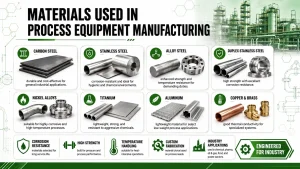
    The selection of materials in Pig Launcher manufacturing plays a crucial role in determining performance, durability, corrosion resistance, and pressure-handling capability. Different materials are chosen based on operating conditions such as pressure, temperature, and the type of fluid being transported.

    Carbon Steel

    Carbon steel is the most commonly used material in Pig Launcher fabrication due to its strength and affordability.

    • Widely Used in Industrial Applications:
      Suitable for oil & gas, water pipelines, and general-purpose applications.
    • Cost-Effective Solution:
      Offers a balance between strength and cost, making it ideal for large-scale projects.
    • Good Mechanical Strength:
      Handles moderate pressure and temperature conditions efficiently.

    Stainless Steel

    Stainless steel is preferred in environments where corrosion resistance and hygiene are critical.

    • Excellent Corrosion Resistance:
      Ideal for handling chemicals, corrosive fluids, and harsh environments.
    • Used in Chemical & Food Industries:
      Ensures contamination-free operations in pharma, food processing, and chemical plants.
    • Low Maintenance Requirement:
      Reduces long-term maintenance costs due to resistance to rust and scaling.

    Alloy Steel

    Alloy steel is used in high-performance applications where superior strength and durability are required.

    • High Strength & Pressure Resistance:
      Designed for high-pressure and high-temperature pipeline systems.
    • Enhanced Durability:
      Performs well in extreme industrial conditions such as petrochemical and offshore operations.
    • Customizable Properties:
      Alloy composition can be tailored for specific mechanical and thermal requirements.

    Pig Launcher Manufacturing Process

    The manufacturing process of a Pig Launcher involves precision engineering, strict quality control, and adherence to industrial standards. Each stage is critical to ensure the system can withstand high pressure, harsh environments, and long-term industrial use.

    Fabrication

    Fabrication is the initial stage where the structural body of the Pig Launcher is formed.

    • Plate Cutting & Rolling:
      High-grade steel plates are cut and rolled into cylindrical shapes based on required dimensions.
    • Shell Formation:
      The rolled plates are aligned and prepared for welding to form the main barrel.
    • Dimensional Accuracy:
      Ensures correct diameter, thickness, and alignment as per design specifications.

    Welding

    Welding is a critical step that ensures the strength and pressure integrity of the Pig Launcher.

    • Precision Welding Techniques:
      Methods like MIG, TIG, or submerged arc welding are used depending on material and thickness.
    • Joint Strength Assurance:
      Welds are designed to handle high pressure and mechanical stress.
    • Quality Checks:
      Weld joints are later tested using NDT methods to ensure defect-free construction.

    Assembly

    In this stage, all components are integrated to complete the Pig Launcher system.

    • Installation of Components:
      Valves (isolation, vent, drain), quick opening closures (QOC), and nozzles are installed.
    • Instrumentation Setup:
      Pressure gauges, safety valves, and pig signallers are fitted.
    • System Integration:
      Ensures compatibility with pipeline systems and smooth operation during pigging.

    Surface Treatment

    Surface treatment enhances durability and protects the Pig Launcher from corrosion.

    • Anti-Corrosion Coating:
      Internal and external coatings are applied based on operating environment.
    • Painting & Finishing:
      Industrial-grade paints are used for additional protection and identification.
    • Long-Term Protection:
      Extends equipment life, especially in offshore, chemical, and humid environments.

    Testing & Quality Control in Pig Launcher Manufacturing

    pig launcher manufacturers

    Testing and quality control are critical processes in Pig Launcher manufacturing to ensure safety, durability, and compliance with industrial standards. Since Pig Launchers operate under high pressure and harsh conditions, strict testing protocols are essential before deployment.

    Hydro Testing

    Hydro testing is performed to verify the pressure-holding capability of the Pig Launcher system.

    • Pressure Integrity Check:
      The system is filled with water and tested at pressures higher than operating limits to ensure structural strength.
    • Leak Detection:
      Identifies any leakage points in weld joints, valves, or connections.
    • Safety Assurance:
      Confirms that the Pig Launcher can safely operate under real industrial conditions.

    Non-Destructive Testing (NDT)

    NDT methods are used to detect internal and surface defects without damaging the equipment.

    • Ultrasonic Testing (UT):
      Detects internal flaws, cracks, and thickness variations in metal components.
    • Radiographic Testing (RT):
      Uses X-rays or gamma rays to inspect weld quality and internal defects.
    • Magnetic Particle Testing (MPT):
      Identifies surface and near-surface cracks in ferromagnetic materials.
    • Dye Penetrant Testing (Optional):
      Used for detecting fine surface cracks in non-magnetic materials.

    Inspection & Quality Assurance

    Final inspection ensures that the Pig Launcher meets design specifications and safety standards.

    • Dimensional Accuracy Check:
      Verifies alignment, diameter, and component fit as per engineering drawings.
    • Material Verification:
      Confirms the use of specified materials like carbon steel, stainless steel, or alloy steel.
    • Compliance with Standards:
      Ensures adherence to industry codes such as ASME, API, and ISO.
    • Functional Testing:
      Checks valves, closures, and instrumentation for proper operation.

    Safety Measures in Pigging Operations

    Safety is critical in pigging operations.

    Key Practices:

    • Ensure zero pressure before opening
    • Use safety interlocks
    • Monitor pressure continuously
    • Train operators

    Industrial Applications of Pig Launchers

    Oil & Gas Industry

    Pig Launchers are extensively used in the oil & gas sector for cleaning crude oil and gas pipelines, removing wax, sludge, and debris buildup. They also enable internal inspection using smart pigs, helping detect corrosion, cracks, and blockages. This ensures uninterrupted flow, improves pipeline efficiency, and reduces the risk of costly failures or leaks in high-pressure systems.

    Chemical Industry

    In chemical processing plants, Pig Launchers play a critical role in product recovery and contamination prevention. They help clear residual chemicals from pipelines between batches, ensuring product purity and minimizing material loss. This is especially important for handling hazardous or reactive chemicals where safety and precision are essential.

    Water & Wastewater

    Pigging systems are widely used in water supply and wastewater pipelines to remove scale, biofilm, and sediment deposits. Pig Launchers help maintain consistent flow rates, improve pipeline hygiene, and prevent clogging. Regular pigging also extends pipeline lifespan and reduces maintenance costs in municipal and industrial water systems.

    Food & Pharma Industry

    n food and pharmaceutical industries, Pig Launchers are used for hygienic fluid transfer and cleaning of pipelines carrying sensitive products like milk, beverages, syrups, or pharmaceutical liquids. They ensure minimal product wastage, maintain strict hygiene standards, and prevent cross-contamination, which is critical for regulatory compliance and product quality.

    Benefits of Pig Launcher Systems

    Pig Launcher systems play a crucial role in maintaining pipeline efficiency, safety, and cost-effectiveness across industries such as oil & gas, chemical processing, and water treatment. Below are the key benefits categorized for better understanding:

    Operational Benefits

    Pigging operations significantly improve day-to-day pipeline performance.

    • Improved Flow Efficiency:
      Removes internal deposits like wax, scale, and sludge, restoring the pipeline’s original diameter and ensuring smooth fluid flow.
    • Reduced Downtime:
      Enables cleaning and maintenance without shutting down the pipeline, ensuring continuous operations and higher uptime.
    • Extended Pipeline Life:
      Prevents internal corrosion and wear, increasing the lifespan of pipeline infrastructure.

    Technical Benefits

    From an engineering perspective, pigging enhances system accuracy and reliability.

    • Accurate Pipeline Inspection:
      Supports the use of smart pigs for detecting corrosion, cracks, leaks, and structural defects.
    • Effective Cleaning Performance:
      Ensures complete removal of contaminants, residues, and buildup that impact system performance.
    • Process Optimization:
      Maintains consistent pressure and flow conditions, improving overall system efficiency.

    Business Benefits

    Pig Launcher systems directly impact operational costs and productivity.

    • Lower Operational Costs:
      Reduces maintenance expenses, minimizes manual cleaning, and prevents costly pipeline failures.
    • Higher Productivity:
      Ensures uninterrupted production cycles by eliminating frequent shutdowns.
    • Improved Product Quality:
      Prevents contamination between batches, especially in chemical, food, and pharma industries.

    Common Challenges in Pigging Systems

    Pigging Systems

    Despite their efficiency, pigging systems can face several operational and technical challenges if not properly designed, maintained, or operated. Identifying and addressing these issues is essential to ensure smooth and safe pipeline operations.

    Pig Getting Stuck

    One of the most common issues in pigging operations is the pig getting stuck inside the pipeline.

    • Causes:
      Incorrect pig size, excessive deposits, pipeline bends, or obstructions
    • Impact:
      Flow blockage, pressure buildup, and potential pipeline damage
    • Solution:
      Proper pig selection, regular cleaning schedules, and pipeline inspection before pigging

    Pressure Imbalance

    Pressure mismatch during pigging can disrupt operations and affect pig movement.

    • Causes:
      Improper valve operation, sudden pressure changes, or incorrect system setup
    • Impact:
      Incomplete pig travel or operational inefficiency
    • Solution:
      Controlled pressurization and monitoring using pressure gauges and automation systems

    Leakage Issues

    Leakage can occur in valves, closures, or pipeline joints during pigging operations.

    • Causes:
      Poor sealing, worn-out components, or improper installation
    • Impact:
      Safety risks, product loss, and environmental hazards
    • Solution:
      Regular inspection, proper sealing systems, and maintenance of valves and closures

    Improper Pig Selection

    Choosing the wrong type of pig can reduce effectiveness and cause operational issues.

    • Causes:
      Lack of understanding of pipeline conditions or application requirements
    • Impact:
      Ineffective cleaning, pig damage, or pipeline blockage
    • Solution:
      Selecting pigs based on pipeline diameter, fluid type, and specific cleaning or inspection needs

    How to Choose the Right Pig Launcher

    Selecting the right Pig Launcher is critical for ensuring efficient pipeline operations, long-term reliability, and safety. The choice depends on multiple technical and operational factors such as pressure, material compatibility, and application requirements.

    Check Pressure Rating

    The Pig Launcher must be designed to handle the operating pressure of the pipeline.

    • Match Operating Conditions:
      Ensure the launcher can withstand both normal and peak pressure levels.
    • High-Pressure Applications:
      Use specially designed high-pressure Pig Launchers for oil & gas or petrochemical pipelines.
    • Safety Compliance:
      Always verify design codes such as ASME standards for pressure vessels.

    Select Appropriate Material

    Material selection directly impacts durability and corrosion resistance.

    • Carbon Steel:
      Suitable for standard applications with cost efficiency.
    • Stainless Steel:
      Ideal for corrosive environments and hygienic industries like food and pharma.
    • Alloy Steel:
      Recommended for high-pressure and high-temperature conditions.

    Ensure Compatibility

    The Pig Launcher must be fully compatible with the pipeline system and pigging requirements.

    • Pipeline Diameter Matching:
      Ensure correct sizing for smooth pig movement.
    • Fluid Characteristics:
      Consider the type of fluid (gas, liquid, slurry) being transported.
    • Pig Type Compatibility:
      Select a launcher that supports foam pigs, scraper pigs, or smart pigs as required.

    Choose an Experienced Manufacturer

    The manufacturer plays a key role in system performance and reliability.

    • Proven Industry Experience:
      Choose manufacturers with expertise in industrial pipeline systems.
    • Customization Capability:
      Ensure they can provide tailored solutions based on project requirements.
    • Quality Assurance:
      Look for certifications, testing standards, and past project references.

    Pig Launcher Manufacturing in India

    Pig Launcher Manufacturing in India

    India has emerged as a leading hub for Pig Launcher manufacturing, offering high-quality engineering solutions at competitive prices. With a strong industrial base and growing demand from sectors like oil & gas, petrochemicals, and water treatment, Indian manufacturers are delivering globally competitive pigging systems.

    Why India is a Preferred Manufacturing Hub

    • Skilled Workforce:
      India has a large pool of experienced engineers, fabricators, and technicians specializing in pressure vessel and pipeline equipment manufacturing.
    • Advanced Fabrication Capabilities:
      Modern manufacturing facilities use advanced welding techniques, CNC cutting, and precision engineering to ensure high-quality production.
    • Competitive Pricing:
      Cost-effective labor and manufacturing processes make India an attractive option for both domestic and international clients.

    Strong Industry Demand

    • Growing infrastructure projects in oil & gas, water, and chemical industries
    • Increasing need for pipeline maintenance and efficiency
    • Expansion of petrochemical and energy sectors

    Export Capability

    Many Indian Pig Launcher manufacturers export to global markets, including the Middle East, Africa, and Southeast Asia.

    • International quality standards
    • Timely delivery and project execution
    • Competitive global pricing

    Custom Pig Launcher Fabrication

    Custom Pig Launcher solutions provide:

    • Better integration
    • Improved performance
    • Reduced maintenance

    Cost Factors of Pig Launcher

    • Size and diameter
    • Pressure rating
    • Material type
    • Design complexity

    Latest Trends in Pigging Technology

    • Smart pigs with sensors
    • Automated pigging systems
    • Real-time monitoring

    Maintenance Tips for Pig Launchers

    • Regular inspection
    • Valve maintenance
    • Cleaning after operations
    • Periodic testing

    Conclusion

    A Pig Launcher is not just a supporting component but a vital system that ensures the long-term efficiency, safety, and reliability of industrial pipelines. By enabling seamless pigging operations without interrupting flow, it helps industries minimize downtime, reduce operational costs, and maintain product integrity. With increasing demand for automation, smart monitoring, and high-performance pipeline systems, pig launcher technology continues to evolve rapidly. Choosing the right design, material, and manufacturer plays a crucial role in achieving optimal performance. In modern industrial operations, investing in a robust pigging system is no longer optional—it is essential for sustainable and efficient pipeline management.

    Also, Read: Industrial Pressure Vessel Selection Guide for Process Plants

    Frequently Asked Question

    A pipeline pigging system consists of a Pig Launcher, pig, and Pig Receiver that work together to clean, inspect, and maintain pipeline efficiency.

    Pig Launcher systems improve flow efficiency, reduce downtime, enable accurate inspection, lower maintenance costs, and ensure safe pipeline operations.

    A Pig Launcher works by loading a pig into a pressurized chamber and using fluid pressure to push it through the pipeline for cleaning or inspection.

    A Pig Launcher includes a barrel, quick opening closure, valves, instrumentation, and connecting nozzles for safe pigging operations.

    Pig Launchers are made from carbon steel, stainless steel, and alloy steel depending on pressure, corrosion resistance, and application requirements.

    Pig Launchers are used in oil & gas, chemical, water treatment, food processing, and pharmaceutical industries for pipeline maintenance.

    Pig Launchers undergo hydro testing, non-destructive testing (UT, RT, MPT), and inspection to ensure safety, strength, and compliance.

    The manufacturing process includes fabrication, welding, assembly, and surface treatment to ensure durability and pressure resistance.

    Pig Launcher systems are important because they maintain pipeline efficiency, prevent corrosion, reduce downtime, and improve overall operational safety.

  • Air Receiver Tank Manufacturers – Complete Industrial Guide 2026

    Air Receiver Tank Manufacturers – Complete Industrial Guide 2026

    Compressed air systems serve as the critical power source for thousands of industrial processes, driving pneumatic tools, automated assembly lines, and heavy machinery. Within these complex pneumatic networks, storage elements play an essential role in maintaining operational stability and efficiency. Industrial operations rely heavily on properly engineered storage solutions to manage compressed air effectively. As leading air receiver tank manufacturers continuously innovate, they provide essential pressure vessels designed to store compressed air safely, stabilize system pressure, and optimize the overall performance of industrial compressor installations. Partnering with reputable air receiver tank manufacturers ensures that facilities meet strict safety standards, such as ASME guidelines, while maintaining consistent production output and reducing wear on compressor units.

    What is an Air Receiver Tank?

    Understanding what an air receiver tank is requires examining its fundamental function within a pneumatic framework. An air receiver tank, frequently referred to as a compressed air reservoir, is a specialized pressure vessel designed to hold compressed air under high pressure for future use. It acts as a temporary storage buffer between the compressor unit and the consumption point.

    The primary role of the air receiver is to accommodate the fluctuating demands of the facility. By storing compressed air, the vessel prevents the compressor from running continuously, allowing it to cycle off when demand is low. The air compressor receiver tank also acts as an initial cooling chamber where the compressed air drops in temperature, forcing entrained moisture to condense out of the air stream before it enters the facility’s pneumatic distribution piping.

    Why Air Receiver Tanks are Important in Industrial Compressor Systems

    The integration of an air receiver provides several mechanical and thermodynamic advantages to industrial compressor systems:

    Pressure Stability: Pneumatic equipment requires a consistent pressure level to operate within specified tolerances. An air receiver tank dampens the pulsations generated by the compressor discharge, delivering a smooth and steady airflow to downstream equipment. This stable pressure profile minimizes product defects and mechanical inconsistencies on the production line.

    Moisture and Contaminant Separation: As compressed air enters the tank, its velocity decreases significantly. This sudden drop in velocity, combined with the cooling effect of the tank surface, allows suspended water droplets and oil aerosols to separate from the air and fall to the bottom of the vessel.

    Energy Efficiency: A properly sized air receiver tank prevents excessive short-cycling of the compressor motor. By providing a reservoir of compressed air, the system allows the compressor to operate in longer, more efficient cycles. This reduction in motor starts significantly decreases electrical demand spikes and reduces mechanical wear on internal compressor components.

    Types of Air Receiver Tanks Used in Industries

    Types of Air Receiver Tanks

    Industrial applications require specific configurations of air receivers to meet spatial limitations and pressure specifications.

    Vertical Air Receiver Tank

    The vertical air receiver tank represents the most common configuration in modern industrial facilities. Its upright orientation minimizes the required floor space, making it ideal for crowded mechanical rooms. These vessels are typically mounted on standardized steel skirts or heavily engineered mounting legs, providing stability while maximizing vertical clearance.

    Horizontal Air Receiver Tank

    Horizontal air receiver tanks are deployed when vertical clearance is limited or when the tank serves as a foundational mount for the compressor motor and pump assembly. This configuration is standard for skid-mounted systems and portable compressor units.

    High Pressure Air Receiver Tank

    Certain industrial processes, such as PET blow molding or specialized laser cutting, demand storage at significantly elevated pressures. A high pressure air receiver tank is engineered with thicker steel plating, specialized welding techniques, and reinforced nozzles to safely contain air at pressures frequently exceeding 500 PSI (34.5 bar).

    Key Components of an Air Compressor Receiver Tank

    A compliant and functional air compressor receiver tank relies on several critical accessories to operate safely.

    • Safety Valve: The safety relief valve is the most critical component on any pressure vessel. It is engineered to automatically open and vent compressed air to the atmosphere if the internal pressure exceeds the vessel’s maximum allowable working pressure (MAWP).
    • Pressure Gauge: An industrial-grade pressure gauge provides operators with a real-time visual indication of the internal storage pressure. These gauges must be calibrated regularly to ensure accuracy.
    • Auto Drain Valve for Air Receiver Tank: Because moisture naturally accumulates at the bottom of the vessel, liquid removal is mandatory. An auto drain valve for air receiver tank electronically or mechanically expels accumulated condensate at predetermined intervals, preventing internal corrosion and protecting downstream equipment from water contamination.
    • Inlet/Outlet Valves: Precision-machined isolation valves control the flow of air into and out of the vessel. Proper sizing of these connections ensures minimal pressure drop across the tank boundaries.

    How to Calculate Air Receiver Tank Capacity

    Determining how to calculate air receiver tank capacity is a foundational step in pneumatic system design. Engineers must evaluate the compressor output, system pressure parameters, and allowable pressure drop.

    The standard empirical formula utilized by industrial engineers is:
    V = (t × C × Pa) / (P1 – P2)

    Where:

    • V = Required volume of the air receiver tank (Cubic Feet)
    • t = Time interval required for the process (Minutes)
    • C = Free air demand of the system (Cubic Feet per Minute – CFM)
    • Pa = Atmospheric pressure (14.7 PSIA standard)
    • P1 = Maximum storage pressure of the tank (PSIA)
    • P2 = Minimum operating pressure required by the system (PSIA)

    Proper calculation ensures the vessel is neither dangerously undersized, leading to rapid compressor cycling, nor excessively oversized, resulting in unnecessary capital expenditure.

    How to Calculate Volume of Air Receiver Tank

    Understanding how to calculate volume of air receiver tank dimensions is necessary for spatial planning and verification of manufactured specifications. An air receiver is typically a cylinder capped with two semi-elliptical or hemispherical heads.

    To calculate the basic internal volume of the cylindrical body:
    Volume = π × r² × h

    Where:

    • π = 3.14159
    • r = Internal radius of the cylindrical shell
    • h = Straight flange-to-flange height (or length) of the cylinder

    To find the total volume, engineers must add the volume of the specific dished heads used at the top and bottom of the vessel. Industrial air receiver tank manufacturers strictly adhere to these geometric calculations to certify the exact gallon or liter capacity of the finished product.

    Applications of Air Receiver Tanks in Different Industries

    Manufacturing

    General manufacturing facilities utilize heavy pneumatic tools, automated clamping systems, and robotic actuators. An air receiver guarantees that simultaneous operations do not cause a sudden drop in line pressure, which could halt production.

    Automotive

    Automotive assembly plants rely on compressed air for robotic painting applications, pneumatic torquing, and heavy lifting operations. Precise pressure delivery is non-negotiable for maintaining assembly line speed and paint finish quality.

    Food Processing

    In the food and beverage sector, air receivers store food-grade compressed air used in packaging, sorting, and cleaning processes. These tanks are frequently manufactured from stainless steel to comply with stringent hygiene standards.

    Pharmaceutical

    Pharmaceutical production environments demand oil-free, perfectly dry compressed air. Receivers in these environments work alongside desiccant dryers and specialized filtration banks to maintain sterile conditions during tablet coating and chemical mixing.

    Oil and Gas

    Refineries and offshore platforms deploy heavy-duty air receivers to power critical instrumentation and emergency shutdown valves. These environments demand tanks with advanced anti-corrosion coatings and extreme weather durability.

    Top Air Receiver Tank Manufacturers in India

    Top Air Receiver Tank Manufacturers in India

    The Indian industrial sector features robust manufacturing capabilities for pressure vessels. The top air receiver tank manufacturers in India adhere to global standards like ASME and IS 2825, ensuring reliable and high-quality compressed air solutions for diverse industries.

    National Engineers and Steel Fabricators

    National Engineers and Steel Fabricators is a premier air receiver tank manufacturer in India, specializing in advanced engineering and manufacturing of pressure vessels. With expertise in custom fabrication, they provide vertical and horizontal air receiver tanks, high-pressure air compressor receiver tanks, and solutions with integrated auto drain valves for air receiver tanks. As a leading air receiver tank supplier, the company conforms to stringent quality standards such as ASME Section VIII and IS 2825, delivering durable and efficient air receivers for manufacturing, automotive, pharmaceuticals, and more.

    Elgi Equipments

    Elgi Equipments is renowned for its wide range of compressor accessories, including robust air receiver tanks designed for industrial and commercial use. Their air compressor receiver tanks are crafted for superior pressure regulation, moisture separation, and energy efficiency. Elgi adheres to international quality and safety standards, making them a trusted air receiver tank supplier for procurement managers seeking reliable long-term performance.

    ATS Elgi

    ATS Elgi manufactures both standard and custom-configured air receivers tailored for different compressed air system requirements. Known for fast lead times and compliance with Indian and global standards, ATS Elgi offers solutions that improve pneumatic efficiency and ensure operational safety, supported by comprehensive after-sales service.

    Indo Air Compressors

    Indo Air Compressors delivers high-quality air receiver tanks engineered for maximum safety and efficiency. Their portfolio includes vertical and horizontal air receiver tanks designed to minimize compressor cycling, optimize compressed air storage, and extend system life. Their focus on technological innovation and quality assurance positions them among the leading air receiver tank manufacturers in India.

    Frank Compressors

    Frank Compressors offers a diverse range of air compressor receiver tanks for industrial plants, automotive workshops, and continuous manufacturing operations. Using high-grade materials and adhering to global standards, their tanks are built for durability and superior moisture separation, essential for system longevity.

    Chicago Pneumatic India

    Chicago Pneumatic India is a major supplier of air receiver tanks engineered for robust industrial use. Their solutions cater to demanding environments, ensuring stable air supply, pressure regulation, and ease of integration with various compressor systems. Their tanks are widely used across sectors like food processing, textiles, and heavy engineering.

    Kaeser Compressors India

    Kaeser Compressors India provides technologically advanced air receiver tanks focused on operational safety and energy efficiency. Their range includes high-pressure, vertical, and horizontal tanks, designed for minimal maintenance and reliable system support. Kaeser’s adherence to global quality standards ensures consistent tank performance in all applications.

    Anest Iwata Motherson

    Anest Iwata Motherson specializes in manufacturing air receiver tanks for precision industrial applications. As a notable air receiver tank manufacturer in India, they provide solutions with optimal pressure ratings, seamless compatibility with air drying equipment, and customized fittings, serving diverse industry requirements.

    Trident Pneumatics

    Trident Pneumatics is widely recognized for its focus on engineered compressed air solutions. Their air receiver tanks are robust, corrosion-resistant, and designed to deliver stable performance, even in demanding industrial environments. Their integration of auto drain valves for air receiver tanks improves system reliability and reduces manual intervention.

    Zen Air

    Zen Air supplies high-quality air receiver tanks known for their durability, safety, and optimal internal surface finish. Their tanks cater to the varying demands of industrial buyers and procurement managers, with a focus on optimizing system capacity and minimizing pressure fluctuations.

    These leading air receiver tank manufacturers in India cater to a wide variety of industrial requirements. They combine engineering expertise, adherence to standards, and reliable after-sales support, ensuring safe and efficient compressed air storage for industrial facilities across the nation.

    1. National Engineers and Steel Fabricators
    2. Elgi Equipments
    3. ATS Elgi
    4. Indo Air Compressors
    5. Frank Compressors
    6. Chicago Pneumatic India
    7. Kaeser Compressors India
    8. Anest Iwata Motherson
    9. Trident Pneumatics
    10. Zen Air

    Top 20 Air Receiver Tank Manufacturers Around the World

    Air Receiver Tank Manufacturers in India

    On a global scale, elite air receiver tank manufacturers provide essential infrastructure for international industrial networks. Below is a detailed overview of the top 20 air receiver tank manufacturers worldwide, highlighting their expertise, product range, and specialization within the industry:

    National Engineers and Steel Fabricators

    Recognized as a leader among air receiver tank manufacturers, National Engineers and Steel Fabricators delivers a comprehensive range of ASME- and IS 2825-compliant air receiver tanks. The company specializes in vertical and horizontal air compressor receiver tanks, high-pressure air receivers, and customized solutions for diverse industrial sectors. Their commitment to precision fabrication, use of premium-grade steel, rigorous non-destructive testing, and advanced auto drain valve integration makes them the preferred air receiver tank supplier for both domestic and international buyers.

    Atlas Copco

    Atlas Copco is a world-renowned manufacturer of industrial equipment, including air receiver tanks engineered for reliability and efficiency. Their air receiver solutions are designed for seamless integration with compressed air systems, providing consistent pressure delivery and moisture management. Known for high manufacturing standards and global service networks, Atlas Copco is a preferred choice for factory owners and compressor system engineers.

    Ingersoll Rand

    Ingersoll Rand is a major air receiver tank manufacturer, offering an extensive portfolio of air compressor receiver tanks that comply with international standards such as ASME and CE. Their tanks feature robust design, precision pressure regulation, and extensive sizing options. Ingersoll Rand’s engineering expertise extends to customized fabrication, making them a reliable air receiver tank supplier for industrial buyers worldwide.

    Manchester Tank

    Manchester Tank, a division of McWane, is a specialist in pressure vessel and air receiver tank manufacturing. Their air receiver tanks are engineered to meet stringent safety codes for both low- and high-pressure applications. Manchester Tank’s capabilities include fabrication of horizontal and vertical vessels, as well as tanks tailored to unique industrial requirements.

    Samuel Pressure Vessel Group

    Samuel Pressure Vessel Group is known for its heavy-duty pressure vessels, including high-capacity air receiver tanks. The company offers expertise in custom engineering for large-scale projects, utilizing a stringent quality management system and certified manufacturing processes. Samuel’s adaptability to global codes makes them a top-tier air receiver tank manufacturer for complex industrial environments.

    Kaeser Kompressoren

    Kaeser Kompressoren is recognized for technologically advanced air receiver tanks, including vertical and high-pressure models. Their air receiver products are designed for energy efficiency, minimal maintenance, and superior condensate separation. Kaeser’s commitment to innovation and global certifications ensures reliable performance in demanding applications.

    Sullair

    Sullair manufactures durable air receiver tanks engineered to optimize compressed air system performance. Their tanks feature thick-walled construction, effective moisture separation, and compatibility with advanced compressor accessories like auto drain valves for air receiver tanks.

    BOGE Compressors

    BOGE Compressors supplies a broad range of air compressor receiver tanks engineered for industrial resilience and system efficiency. Their offerings include standard and custom tanks, meeting the rigorous specifications required by industries such as automotive, pharmaceutical, and oil and gas.

    CompAir

    CompAir, a division of Ingersoll Rand, produces reliable air receiver tanks tailored to industrial compressor systems. Their tanks are known for precision construction, corrosion resistance, and ease of integration with automated plant operations.

    Gardner Denver

    Gardner Denver provides industrial-grade air receiver tanks engineered for critical compressed air applications. Their product range covers standard, high-pressure, and hygienic tanks suited for food processing, manufacturing, and laboratory settings.

    Steel Fab Inc.

    Steel Fab Inc. specializes in the fabrication of ASME-certified air receiver tanks for diverse industrial sectors. Their tanks are engineered with a focus on structural integrity, quality assurance, and adherence to client specifications.

    Silvan Industries

    Silvan Industries offers custom-designed air receiver tanks built to exceed industry standards for safety and reliability. Their in-house engineering team supports projects from initial design through final inspection, ensuring compliance and long-term durability.

    Buckeye Fabricating

    Buckeye Fabricating is a leading manufacturer of custom air receiver tanks, specializing in short lead times and tailored solutions. Their tanks are manufactured to meet ASME standards and can be configured with specialized fittings, coatings, and inspection ports.

    Brunner Manufacturing

    Brunner Manufacturing supplies high-quality air receiver tanks constructed to exacting specifications. Their expertise includes fabrication for unique industrial projects requiring custom geometries and capacities.

    Hoerbiger

    Hoerbiger is recognized for high-precision air receiver tanks utilized in process automation and energy management. Their tanks are engineered to provide reliable pressure stabilization in technologically advanced applications.

    FS-Elliott

    FS-Elliott manufactures specialty air receiver tanks used alongside centrifugal compressors in critical manufacturing and energy applications. Their tanks are designed for optimal performance, durability, and compliance with global pressure vessel codes.

    Quincy Compressor

    Quincy Compressor delivers a wide array of ASME-certified air receiver tanks designed for compatibility with their industrial compressor product lines. Their tanks are chosen for high reliability, efficient moisture removal, and robust pressure management.

    Sullivan-Palatek

    Sullivan-Palatek specializes in industrial air systems, including air receiver tanks for heavy-duty and continuous operations. Their engineering approach ensures each tank is optimized for minimal pressure drop and superior safety.

    Parker Hannifin

    Parker Hannifin engineers advanced air receiver tanks aimed at enhancing system uptime and operational safety. Their air receiver range is notable for material quality, innovative moisture control, and precise pressure monitoring solutions.

    Wessels Company

    Wessels Company provides specialized air receiver tanks for commercial, municipal, and industrial sectors. Their products meet rigorous national and international standards, offering value-added features such as advanced corrosion protection and customized nozzles.

    Each of these air receiver tank manufacturers offers unique strengths in areas including custom engineering, fabrication standards, application specialization, and after-sales support. Choosing the right air receiver tank supplier is essential for ensuring a robust, compliant, and efficient compressed air infrastructure.

    1. National Engineers and Steel Fabricators
    2. Atlas Copco
    3. Ingersoll Rand
    4. Manchester Tank
    5. Samuel Pressure Vessel Group
    6. Kaeser Kompressoren
    7. Sullair
    8. BOGE Compressors
    9. CompAir
    10. Gardner Denver
    11. Steel Fab Inc.
    12. Silvan Industries
    13. Buckeye Fabricating
    14. Brunner Manufacturing
    15. Hoerbiger
    16. FS-Elliott
    17. Quincy Compressor
    18. Sullivan-Palatek
    19. Parker Hannifin
    20. Wessels Company

    Why Choose National Engineers and Steel Fabricators as Your Air Receiver Tank Supplier

    Air Receiver Tank Supplier

    Selecting a reliable air receiver tank supplier dictates the safety and efficiency of your compressed air system. National Engineers and Steel Fabricators stands at the forefront of pressure vessel engineering.

    We maintain a dedicated manufacturing facility equipped with advanced automated welding machinery and plate-rolling technology. Our engineering expertise ensures every air compressor receiver tank meets exact load and pressure specifications. We utilize premium, mill-certified steel grades for superior structural integrity. Our fabrication process includes rigorous non-destructive testing (NDT), such as radiographic and ultrasonic weld inspections, guaranteeing compliance with ASME Boiler and Pressure Vessel Code Section VIII. Furthermore, our customization capabilities allow us to design vessels with specific nozzle orientations, interior epoxy coatings, and exterior finishes tailored to extreme industrial environments.

    Air Receiver Tank Manufacturers in Bangalore

    The southern industrial corridor heavily relies on reliable pressure vessel fabricators. When researching air receiver tank manufacturers in bangalore, procurement managers prioritize suppliers that offer rapid delivery, localized installation support, and adherence to state safety regulations. National Engineers and Steel Fabricators serves the Bangalore region comprehensively, supplying aerospace, IT hardware manufacturing, and automotive sectors with premium storage solutions.

    How to Choose the Right Air Receiver Tank Supplier

    Air Receiver Tank Supplier

    Procurement professionals must evaluate several technical criteria when selecting a supplier. Look for manufacturers holding recognized quality certifications (e.g., ASME U-Stamp). Verify their ability to provide comprehensive documentation, including material test reports (MTRs) and hydrostatic testing certificates. A competent supplier will also assist in engineering calculations, ensuring the specified tank aligns perfectly with your compressor output and operational demands.

    Maintenance Tips for Air Receiver Tanks

    Maintaining an air receiver is vital for safety and longevity.

    • Daily Inspection: Ensure the auto drain valve for air receiver tank is functioning correctly and expelling moisture.
    • Monthly Testing: Manually actuate the safety relief valve to prevent it from seizing shut.
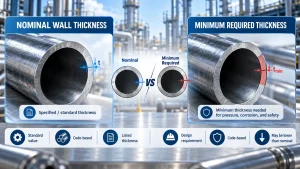
    • Annual Ultrasonic Thickness Testing: Verify that internal corrosion has not compromised the minimum required wall thickness of the vessel.
    • Exterior Evaluation: Inspect the structural integrity of the mounting skirt or legs, looking for signs of stress fracturing or foundational shifting.

    Future of Industrial Compressed Air Storage Systems

    The next generation of compressed air storage is moving toward advanced digitization. Leading air receiver tank manufacturers are integrating IoT (Internet of Things) sensors directly into the vessel design. These smart tanks transmit real-time data regarding internal pressure, temperature, and moisture accumulation to centralized plant management software. Furthermore, advancements in composite materials may soon introduce ultra-lightweight, corrosion-immune vessels to the heavy industrial market.

    Conclusion

    Properly engineered compressed air storage is the backbone of efficient industrial operations. By understanding capacity calculations, essential components, and rigorous maintenance requirements, facilities can optimize their pneumatic systems for peak performance. Choosing to partner with premier air receiver tank manufacturers like National Engineers and Steel Fabricators guarantees that your facility receives a pressure vessel constructed to the highest safety and durability standards. As a leading air receiver tank supplier, we remain committed to advancing pressure vessel technology and supporting the demanding requirements of global industry.

    Frequently Asked Questions (FAQs)

    An auto drain valve for air receiver tank automatically removes accumulated water and compressor oil from the bottom of the vessel, preventing internal rusting and reducing the risk of water traveling downstream to pneumatic equipment.

    An undersized tank causes the air compressor to cycle on and off too frequently. This rapid cycling leads to increased motor wear, higher electrical consumption, and unstable system pressure.

    Yes, if structural integrity is compromised by internal corrosion, or if the safety relief valve fails during an over-pressurization event, a pressure vessel can catastrophically rupture. This is why strict adherence to ASME manufacturing standards is critical.

    Industry standards generally recommend replacing the safety relief valve every three to five years, or immediately if it fails manual actuation testing.

    Yes. Best practices dictate internal visual inspections or non-destructive ultrasonic wall thickness testing every three to five years depending on local regulatory requirements and operating conditions.

    Yes, tanks can be installed outdoors to save interior floor space. However, they require appropriate external protective coatings to resist environmental corrosion and freeze-protection mechanisms for the drain valves in colder climates.

    A “wet” receiver is installed before the air dryer, helping to drop out initial moisture from the compressor. A “dry” receiver is installed after the air dryer, storing clean, dry air for immediate use by sensitive equipment.

    Neither is inherently better. Vertical tanks are preferred for their smaller footprint, while horizontal tanks are utilized where height is restricted or to mount compressor components directly on top.

    Always look for manufacturers that build to the ASME Boiler and Pressure Vessel Code (Section VIII) and hold an ASME U-Stamp. In certain regions, CE marks or local equivalents like IS 2825 in India are required.

  • Piping Spool Fabrication: Complete Guide for Industrial Piping Systems 2026

    Piping Spool Fabrication: Complete Guide for Industrial Piping Systems 2026

    Modern industrial facilities depend heavily on highly engineered piping networks that transport fluids, gases, chemicals, and energy across complex processing units. Whether it is an oil refinery, petrochemical plant, power station, fertilizer plant, or chemical manufacturing facility, industrial piping systems are the backbone of plant operations.

    Within these systems, piping spool fabrication plays a critical role in ensuring efficient installation, improved quality control, and faster project completion.

    Instead of assembling pipelines directly at construction sites, industrial contractors rely on prefabricated piping spools manufactured in specialized fabrication workshops. These modular assemblies significantly reduce installation time and improve construction efficiency.

    In this comprehensive guide, we will explore everything about piping spool fabrication, including:

    • Pipe spool fabrication processes
    • Materials used in industrial piping fabrication
    • Welding and inspection techniques
    • Applications across industries
    • Standards and certifications
    • Benefits of prefabricated piping systems
    • How to select the right piping spool fabrication company 

    We will also explore why India—especially Gujarat and Surat—has become a major center for piping spool fabrication manufacturing and why companies like National Engineers & Steel Fabricators are considered among the most trusted fabrication partners for industrial projects.

    What is Piping Spool Fabrication?

    Piping spool fabrication

    Piping spool fabrication is the process of assembling pipes, fittings, flanges, valves, and other components into prefabricated sections known as pipe spools. These pipe spools are manufactured in a controlled fabrication facility and later transported to industrial sites for installation.

    A pipe spool fabrication assembly is essentially a modular section of piping that forms part of a larger industrial piping system.

    Each spool is fabricated according to detailed engineering drawings and piping isometric diagrams, ensuring the correct dimensions, alignment, and material specifications.

    Why Piping Spools Are Used

    piping spool fabrication company

    Industrial plants often contain thousands of meters of piping networks. Constructing all piping onsite would be time-consuming and prone to errors. Prefabricated spools simplify installation by allowing major sections to be built in advance.

    Benefits include:

    • Faster construction timelines
    • Higher fabrication accuracy
    • Better welding quality
    • Reduced onsite labor costs
    • Improved safety
    • Simplified logistics

    Because of these advantages, many EPC contractors prefer working with specialized piping spool fabrication services providers that have advanced fabrication workshops and certified welding teams.

    Companies such as National Engineers & Steel Fabricators, a leading piping spool fabrication manufacturer in India, provide complete fabrication services for large-scale industrial projects.

    Components of a Piping Spool

    A typical pipe spool assembly consists of multiple components joined together according to engineering designs.

    Below are the most common components used in industrial piping spool fabrication.

    Component Function
    Pipe Sections Primary channel for fluid flow
    Elbows Change direction of pipeline
    Tees Create branching pipelines
    Reducers Adjust pipe diameter
    Flanges Provide detachable connections
    Valves Control flow and pressure
    Gaskets Seal flange connections
    Supports Provide structural support

    Each spool is manufactured using precise dimensional tolerances so that it fits perfectly into the plant’s piping network during installation.

    In complex industrial plants, pipe spools may include:

    • Instrumentation connections
    • Special alloy fittings
    • High-pressure valves
    • Insulated piping segments

    This level of precision is why industries rely on experienced piping spool fabrication companies rather than onsite assembly.

    Piping Spool Fabrication Process (Step-by-Step)

    custom piping spool fabrication

    The industrial piping spool fabrication process involves several specialized manufacturing stages that ensure accuracy, safety, and durability.

    Below is a detailed breakdown of the pipe spool fabrication workflow.

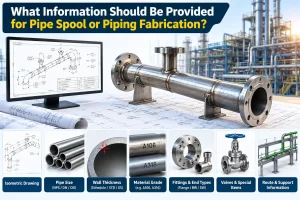
    1. Engineering Design and Isometric Drawings

    The fabrication process begins with detailed engineering drawings prepared by piping design engineers.

    These drawings include:

    • Pipe sizes and schedules
    • Material specifications
    • Welding joint locations
    • Dimensional layouts
    • Orientation of fittings

    This step ensures accurate custom piping spool fabrication.

    2. Material Procurement

    Fabrication companies source raw materials from certified suppliers.

    Materials used may include:

    • Carbon steel pipes
    • Stainless steel pipes
    • Alloy steel pipes
    • Duplex steel pipes

    For industrial projects, materials must comply with standards such as:

    • ASTM
    • ASME
    • API

    Reliable companies like National Engineers & Steel Fabricators maintain strict material traceability for all fabrication projects.

    3. Pipe Cutting

    Once materials are received, pipes are cut according to the design dimensions.

    Modern fabrication workshops use:

    • CNC pipe cutting machines
    • Plasma cutting equipment
    • Band saw cutting machines

    This step ensures high accuracy in industrial pipe fabrication.

    4. Edge Preparation and Beveling

    Pipe edges must be prepared before welding to ensure proper joint penetration.

    Common preparation techniques include:

    • Bevel cutting
    • Grinding
    • Machining
    • Cleaning surfaces

    This step is critical for achieving high-quality piping spool welding.

    5. Fit-Up and Alignment

    Fabrication technicians assemble the components according to the spool drawing.

    During this stage:

    • Pipes and fittings are aligned
    • Temporary tack welding is performed
    • Dimensional verification is done

    Proper alignment is essential to avoid installation issues at the plant site.

    6. Welding

    Once alignment is confirmed, welders permanently join the components.

    Certified welders perform welding based on qualified procedures.

    The welding process used depends on:

    • Pipe material
    • Pipe thickness
    • Operating pressure

    We will discuss welding techniques later in this article.

    7. Non-Destructive Testing (NDT)

    All welded joints undergo inspection using non-destructive testing methods.

    Common inspection techniques include:

    • Radiographic testing (RT)
    • Ultrasonic testing (UT)
    • Magnetic particle testing (MT)
    • Dye penetrant testing (PT)

    These inspections ensure weld quality and safety.

    8. Surface Treatment

    After fabrication, the spool undergoes surface preparation and coating.

    Common treatments include:

    • Sandblasting
    • Anti-corrosion painting
    • Epoxy coating
    • Galvanizing

    This protects the piping system from corrosion.

    9. Hydrostatic Testing

    Some piping spools undergo pressure testing using water to ensure structural integrity.

    This ensures the spool can handle operating pressures safely.

    10. Marking and Packaging

    Each spool is marked with:

    • Identification numbers
    • Project references
    • Material codes

    Finally, spools are packed and transported to project sites.

    Materials Used in Piping Spool Fabrication

    pipe spool fabrication

    • Selecting the correct material is critical in process piping fabrication.
    • Different industries require different materials depending on operating conditions.
    • Below are common materials used in industrial piping spool fabrication.

    Stainless Steel Piping Spool Fabrication

    Stainless steel is widely used in industries requiring corrosion resistance.

    Industries include:

    • Pharmaceutical plants
    • Food processing units
    • Chemical processing plants

    Advantages:

    • Corrosion resistance
    • Hygienic surface
    • Long lifespan

    Carbon Steel Piping Spool Fabrication

    Carbon steel is commonly used in heavy industrial sectors such as:

    • Oil refineries
    • Power plants
    • Petrochemical plants

    Advantages:

    • High mechanical strength
    • Cost efficiency
    • High pressure tolerance

    Alloy Steel Piping Spool Fabrication

    piping spool fabrication manufacturer in India

    Alloy steel pipes are used in extreme temperature environments.

    Applications include:

    • Thermal power plants
    • Oil and gas processing units
    • High-temperature reactors

    Advantages:

    • High strength
    • Heat resistance
    • Durability

    Duplex Steel Piping Spool Fabrication

    Duplex steel is commonly used in marine and offshore environments.

    Applications include:

    • Offshore oil platforms
    • Marine pipelines
    • Chemical processing units

    Advantages:

    • High corrosion resistance
    • Superior strength
    • Longer service life

    Welding Techniques Used in Piping Spools

    piping spool welding

    Welding is the most critical stage in pipe spool fabrication.

    Different welding techniques are used depending on material type and pipe thickness.

    TIG Welding (GTAW)

    This method is used for high-precision welding.

    Advantages:

    • High-quality welds
    • Clean joints
    • Ideal for stainless steel piping

    MIG Welding (GMAW)

    MIG welding is widely used for carbon steel pipes.

    Advantages:

    • Faster welding speed
    • Suitable for large fabrication projects

    Stick Welding (SMAW)

    Stick welding is used in heavy fabrication and field work.

    Advantages:

    • Suitable for thick pipes
    • Works well outdoors

    Submerged Arc Welding (SAW)

    This method is used for large diameter pipes.

    Advantages:

    • High welding efficiency
    • Deep penetration welds

    Quality Control and Inspection in Piping Spool Fabrication

    piping fabrication workshop

    Industrial piping systems must meet strict safety and performance standards.

    Fabrication companies implement strict quality assurance procedures.

    Dimensional Inspection

    Ensures the spool matches engineering drawings.

    Welding Inspection

    Weld joints are inspected visually and through NDT methods.

    Non-Destructive Testing

    Inspection methods include:

    • Radiography
    • Ultrasonic testing
    • Dye penetrant testing

    Pressure Testing

    Hydrostatic testing confirms the integrity of the piping spool.

    Leading companies such as National Engineers & Steel Fabricators, a trusted piping spool fabrication company in India, follow rigorous inspection protocols to ensure reliability in industrial projects.

    Applications of Piping Spool Fabrication in Industrial Plants

    Industrial piping spool fabrication is used across numerous sectors.

    Major industries include:

    • Oil and gas processing
    • Petrochemical plants
    • Chemical manufacturing
    • Fertilizer plants
    • Power generation plants
    • Water treatment plants

    These industries require high-performance industrial piping systems capable of handling extreme temperatures and pressures.

    Piping Spool Fabrication for Oil and Gas Industry

    The oil and gas industry relies heavily on prefabricated piping systems.

    Applications include:

    • Crude oil processing
    • Gas transportation pipelines
    • Refinery processing units
    • Offshore platforms

    Because of high-pressure conditions, these systems must comply with strict engineering standards.

    Many EPC contractors work with specialized piping spool fabrication services providers such as National Engineers & Steel Fabricators to meet these requirements.

    Advantages of Prefabricated Piping Spools

    piping spool fabrication for power plants

    Prefabrication offers several advantages for industrial projects.

    Faster Construction

    Piping spools are manufactured while site preparation continues.

    Improved Welding Quality

    Controlled fabrication environments result in better weld quality.

    Reduced Labor Costs

    Prefabrication reduces onsite labor requirements.

    Better Safety

    Workshop fabrication reduces risks associated with onsite welding.

    Higher Dimensional Accuracy

    Precision fabrication tools ensure perfect fit during installation.

    Standards and Certifications in Piping Fabrication

    Industrial fabrication must comply with international standards.

    Standard Description
    ASME B31.3 Process piping standard
    ASME Section IX Welding qualifications
    ASTM Material standards
    API Oil and gas standards
    ISO 9001 Quality management

    Leading fabrication companies like National Engineers & Steel Fabricators, a trusted piping spool fabrication manufacturer in India, operate according to these standards.

    Piping Spool Fabrication Manufacturer in India

    Piping Spool Fabrication Manufacturer in India

    India has become a major global hub for industrial piping spool fabrication services.

    Reasons include:

    • Skilled engineering workforce
    • Competitive manufacturing costs
    • Advanced fabrication workshops
    • Strong export capabilities

    Companies such as National Engineers & Steel Fabricators are recognized as a leading piping spool fabrication company in India serving EPC contractors and industrial clients worldwide.

    Why Gujarat and Surat are Growing Hubs for Industrial Fabrication

    The state of Gujarat is one of India’s largest industrial regions.

    Cities like Surat, Hazira, Bharuch, and Vadodara host numerous fabrication workshops serving major industrial projects.

    Reasons for the growth of piping spool fabrication in Gujarat include:

    • Presence of large petrochemical industries
    • Access to major ports
    • Strong engineering ecosystem
    • Availability of skilled fabrication workforce

    Companies such as National Engineers & Steel Fabricators, a reputed pipe spool fabrication manufacturer in Surat, supply high-quality piping spools to industries across India and international markets.

    How to Choose the Right Piping Spool Fabrication Company

    Selecting the right piping spool fabrication company is crucial for project success.

    Consider the following factors:

    Experience

    Choose companies with proven experience in industrial piping fabrication.

    Certifications

    Ensure the company complies with international standards.

    Fabrication Facilities

    Modern fabrication workshops improve efficiency and quality.

    Welding Expertise

    Certified welders are essential for industrial piping systems.

    Quality Control Systems

    Reliable companies perform extensive testing and inspection.

    One such trusted partner is National Engineers & Steel Fabricators, known for delivering reliable custom piping spool fabrication solutions for EPC contractors and industrial plants.

    Future Trends in Industrial Piping Fabrication

    The piping fabrication industry is evolving rapidly.

    Future developments include:

    Robotic Welding

    Automation improves welding accuracy and productivity.

    Digital Fabrication Technologies

    3D modeling and digital twins improve fabrication planning.

    Modular Construction

    Entire plant modules are now prefabricated.

    Smart Inspection Technologies

    AI-powered inspection tools improve defect detection.

    Conclusion

    In large industrial plants, piping spool fabrication plays a critical role in ensuring efficient construction, reliable performance, and long-term safety of piping systems.

    Prefabricated piping spools allow EPC contractors and industrial operators to achieve faster installation, improved welding quality, and better project efficiency.

    With its strong manufacturing ecosystem and skilled workforce, India—particularly Gujarat and Surat—has become a major destination for industrial piping spool fabrication services.

    Companies such as National Engineers & Steel Fabricators, a leading piping spool fabrication manufacturer in India, provide high-quality fabrication solutions for oil & gas companies, petrochemical plants, power stations, and EPC contractors worldwide.

    Choosing the right piping spool fabrication company ensures that industrial projects benefit from reliable engineering, precision manufacturing, and long-lasting piping systems built to meet the most demanding industrial standards.

    Frequently Asked Questions (FAQs)

    Industries such as oil and gas, petrochemical plants, chemical manufacturing, power plants, and refineries require piping spool fabrication.

    Common materials include stainless steel, carbon steel, alloy steel, and duplex steel.

    Prefabricated piping spools improve installation efficiency, reduce project timelines, and enhance welding quality.

    Standards include ASME B31.3, ASME Section IX, API standards, ASTM material standards, and ISO certifications.

    Major fabrication hubs include Gujarat, Surat, Hazira, Bharuch, and Vadodara.

    National Engineers & Steel Fabricators is recognized as a reliable piping spool fabrication company in Gujarat and Surat serving industrial clients across India.

  • Stainless Steel Fabrication Surat: Premier Solutions for Industry 2026

    Stainless Steel Fabrication Surat: Premier Solutions for Industry 2026

    For industries that demand strength, hygiene, and corrosion resistance, stainless steel is the material of choice. Turning this remarkable alloy into functional components, structures, and equipment requires specialized skill. This guide explores the world of stainless steel fabrication Surat, detailing the processes, benefits, and applications that drive modern industry in the region.

    From intricate machine parts to large-scale structural frameworks, the precision of fabrication determines the final product’s quality and performance. Understanding this craft is crucial for businesses in sectors like food processing, pharmaceuticals, chemical manufacturing, and construction. Finding the right fabrication partner ensures your projects are built to last, meet stringent standards, and deliver exceptional value.

    What is Stainless Steel Fabrication?

    Stainless Steel Fabrication Services

    Stainless steel fabrication is the comprehensive process of cutting, bending, shaping, and assembling stainless steel to create finished products, components, or structures. It is a specialized field that transforms raw stainless steel sheets, plates, bars, and tubes into custom-designed items.

    Unlike working with standard carbon steel, this process requires specific tools, techniques, and expertise. The unique properties of stainless steel, such as its hardness and chromium oxide layer, demand careful handling to maintain its corrosion resistance and structural integrity throughout the fabrication cycle.

    Key Characteristics of the Fabrication Process

    • Precision: Fabrication requires high accuracy to meet exact design specifications.
    • Specialized Tooling: Equipment must be able to handle the toughness of stainless steel without causing contamination.
    • Material Integrity: Techniques are employed to protect the passive layer that gives stainless steel its anti-corrosive properties.
    • Finishing: The process often concludes with surface treatments like polishing or graining to achieve the desired aesthetic and functional finish.

    Comprehensive Stainless Steel Fabrication Services in Surat

    SS fabrication services in Surat

    As a major industrial hub, Surat hosts a range of companies offering specialized fabrication services. Among them, National Engineers and Steel Fabricators stands out as the best stainless steel fabrication company in Surat, renowned for delivering quality, precision, and reliability. These providers cater to diverse needs, from one-off custom pieces to large-volume production runs. When seeking SS fabrication services in Surat, you can expect a suite of offerings designed to manage a project from concept to completion.

    Industrial clients rely on these services for everything from simple brackets to complex, multi-part assemblies. A full-service fabrication partner acts as an extension of your engineering and production teams, providing the expertise and capacity needed to bring your designs to life.

    Core Services Offered by Fabricators

    Top-tier fabricators provide a spectrum of services, ensuring a single point of contact for all your project needs.

    1. Design and Engineering Support

    Many projects begin with a concept. Fabrication companies often provide design assistance, helping clients refine their ideas into practical, manufacturable blueprints. They use advanced CAD (Computer-Aided Design) software to create detailed 3D models, ensuring every dimension and tolerance is precise before any material is cut. This collaborative approach helps optimize designs for cost, functionality, and durability.

    2. Custom Stainless Steel Fabrication

    The cornerstone of the industry is custom work. No two projects are exactly alike, and the ability to create bespoke solutions is what sets expert fabricators apart. This involves interpreting unique client requirements and transforming them into high-quality finished products. Custom fabrication is essential for creating specialized machinery, architectural features, and prototype components.

    3. Stainless Steel Welding Services

    Welding is a critical step in most fabrication projects. Stainless steel welding requires a higher level of skill than welding standard steel. Specialized techniques like TIG (Tungsten Inert Gas) and MIG (Metal Inert Gas) welding are commonly used.

    • TIG Welding: This method offers high precision and clean, strong welds, making it ideal for applications where appearance and weld integrity are paramount, such as in food-grade equipment and architectural elements.
    • MIG Welding: Faster than TIG, MIG welding is excellent for joining thicker materials and is often used for structural applications where speed and strength are key factors.

    Professional stainless steel welding services ensure that joints are free from defects, maintain the material’s corrosion resistance, and are strong enough to withstand the intended operational stresses.

    4. Cutting and Forming

    The initial stage of fabrication involves cutting and shaping the raw material. Modern workshops in Surat utilize advanced technology for this phase.

    • Laser Cutting: Offers unparalleled precision for cutting intricate shapes from stainless steel sheets with clean edges and minimal heat distortion.
    • Plasma Cutting: A faster and more cost-effective method for cutting thicker plates of stainless steel.
    • Bending and Rolling: Press brakes are used to bend sheets into specific angles, while rollers can form sheets and plates into cylindrical or conical shapes.

    5. Assembly and Finishing

    Once individual components are formed and welded, they are assembled into the final product. This may involve bolting, riveting, or further welding. The final step is finishing, which enhances both the appearance and performance of the product.

    Common finishing techniques include:

    • Polishing: Creates a smooth, reflective surface, crucial for hygienic applications.
    • Brushing: Produces a uniform, satin-like grain.
    • Passivation: A chemical treatment that removes contaminants and enhances the natural corrosion-resistant layer of the stainless steel.

    Types of Stainless Steel Fabrication

    Stainless steel structure fabrication

    Fabrication projects can be categorized based on their scale, complexity, and application. Understanding these types helps businesses identify the specific services they require.

    Structural Fabrication

    This involves creating the frameworks and support systems for buildings, industrial plants, and infrastructure projects. Stainless steel structure fabrication is chosen for environments where corrosion resistance and long-term durability are critical, such as coastal areas, chemical plants, and water treatment facilities.

    Examples include:

    • Support beams and columns
    • Mezzanines and platforms
    • Staircases and handrails
    • Pipe racks and equipment supports

    Sheet Metal Fabrication

    This is the most common type of fabrication and involves working with stainless steel sheets, typically up to 6mm thick. It encompasses a wide range of products, from small enclosures to large tanks. Precision cutting, bending, and welding are the primary techniques used in sheet metal fabrication.

    Applications include:

    • Electrical enclosures and control panels
    • Hoppers, chutes, and conveyors
    • Kitchen equipment and countertops
    • Ductwork and ventilation systems

    Custom Component Manufacturing

    Many industries require specific, custom-designed parts for their machinery or products. Industrial stainless steel fabricators specialize in producing these components to tight tolerances. This can range from simple brackets and flanges to complex, machined parts that are integral to a larger assembly. This type of fabrication is vital for OEMs (Original Equipment Manufacturers) and for maintenance and repair operations.

    Industries That Rely on Stainless Steel Fabrication

    Industrial stainless steel fabricators

    The versatility of stainless steel makes it indispensable across numerous sectors in Surat and beyond. Its unique combination of properties addresses the specific challenges faced by each industry.

    • Food and Beverage Processing: Hygiene is non-negotiable in this sector. The non-porous, easy-to-clean surface of stainless steel prevents bacterial growth, making it the standard material for tanks, vats, pipes, conveyors, and food preparation surfaces.
    • Pharmaceutical and Biotech: Similar to the food industry, sterile environments are crucial. Stainless steel is used for manufacturing reactors, mixing vessels, piping systems, and cleanroom furniture due to its ability to withstand harsh sterilization chemicals.
    • Chemical Manufacturing: This industry handles corrosive substances daily. Specific grades of stainless steel are selected for their resistance to acids, alkalis, and chlorides, ensuring the safety and longevity of storage tanks, pipelines, and processing equipment.
    • Architecture and Construction: Architects value stainless steel for both its structural strength and its modern aesthetic. It is used for building facades, roofing, structural supports, balustrades, and decorative interior elements. Its longevity reduces long-term maintenance costs.
    • Oil and Gas: In offshore and onshore facilities, stainless steel is used for pipelines, pressure vessels, and structural components exposed to harsh marine and chemical environments. Its resistance to corrosion is critical for operational safety and reliability.
    • Water and Wastewater Treatment: The constant exposure to water and treatment chemicals makes stainless steel an ideal material for tanks, piping, filters, and pumps in treatment plants.

    Key Benefits of Choosing Stainless Steel for Fabrication

    Businesses choose stainless steel for compelling reasons. The initial investment is often offset by its long-term performance and low maintenance requirements.

    1. Superior Corrosion Resistance

    This is the most well-known benefit. The chromium content in stainless steel forms a passive, invisible layer of chromium oxide on the surface. This layer self-heals in the presence of oxygen, providing outstanding protection against rust and corrosion from moisture, chemicals, and environmental factors.

    2. Exceptional Strength and Durability

    Stainless steel offers an excellent strength-to-weight ratio. It can withstand significant physical impacts and high pressures. Different grades can be selected for their hardness, tensile strength, and performance at extreme temperatures, both high and low.

    3. Hygienic and Easy to Clean

    The smooth, non-porous surface of stainless steel makes it difficult for bacteria and other microorganisms to adhere and grow. It can be easily cleaned and sanitized without degrading, which is why it is mandated in food, medical, and pharmaceutical applications.

    4. Aesthetic Appeal

    With finishes ranging from a bright mirror polish to a subtle brushed texture, stainless steel provides a clean, modern, and professional look. This aesthetic quality makes it a popular choice for architectural features, commercial kitchens, and consumer products.

    5. Long-Term Value

    While the upfront cost of stainless steel may be higher than other metals, its longevity and low maintenance needs result in a lower total cost of ownership. Products fabricated from stainless steel rarely need replacement due to rust or degradation, providing decades of reliable service.

    The Stainless Steel Fabrication Process Explained

    Understanding the step-by-step journey from raw material to finished product provides insight into the complexity and precision involved in quality fabrication.

    • Step 1: Consultation and Design: The project begins with a detailed discussion to understand the client’s needs, application, and specifications. Engineers use this information to create or refine drawings using CAD software.
    • Step 2: Material Sourcing: The appropriate grade and form of stainless steel (sheet, plate, bar, etc.) are selected based on the project’s requirements for corrosion resistance, strength, and temperature tolerance.
    • Step 3: Cutting: The raw material is cut to the required shapes and sizes. Precision methods like laser cutting, plasma cutting, or waterjet cutting are used to ensure accuracy.
    • Step 4: Forming and Bending: The cut pieces are shaped using machinery like press brakes (for bends) or rollers (for curves). This stage requires skilled operators to achieve the correct angles and radii without damaging the material.
    • Step 5: Welding and Joining: The formed parts are assembled. Expert welders join the pieces using techniques like TIG or MIG welding, ensuring the joints are strong, clean, and maintain the material’s properties.
    • Step 6: Finishing and Surface Treatment: After assembly, the product undergoes finishing. This may include grinding welds smooth, polishing the surface to a specific grit, or applying a chemical passivation treatment to enhance corrosion resistance.
    • Step 7: Quality Inspection: The finished product is rigorously inspected to ensure it meets all dimensional tolerances, weld quality standards, and finishing specifications.
    • Step 8: Packaging and Delivery: The final product is carefully packaged to protect its finish during transit and delivered to the client’s site.

    Why Choose a Professional Stainless Steel Fabrication Company in Surat?

    best stainless steel fabrication company in Surat

    While it might be tempting to opt for a general metal workshop, partnering with a specialized stainless steel fabrication company in Surat offers significant advantages that protect your investment and ensure project success.

    Expertise and Experience

    Professional fabricators have deep knowledge of working with different grades of stainless steel. They understand the nuances of how each grade behaves during cutting, welding, and forming. This expertise prevents common issues like weld contamination, distortion, and loss of corrosion resistance, which can compromise the final product.

    Advanced Technology and Equipment

    Specialized shops invest in state-of-the-art equipment designed specifically for stainless steel. This includes high-precision laser cutters, dedicated press brakes, and advanced welding machines. Using the right tools ensures cleaner cuts, more accurate bends, and higher-quality welds.

    Quality Assurance and Compliance

    Reputable fabricators have robust quality control systems in place. They perform inspections at every stage of the process to ensure the final product meets industry standards and client specifications. This commitment to quality is crucial for applications where failure is not an option.

    Efficiency and Timely Delivery

    An experienced team with a well-organized workshop can complete projects more efficiently. They have streamlined processes for moving from design to finished product, helping you meet your project timelines. Their ability to manage the entire process, from sourcing materials to final delivery, simplifies project management for you.

    Cost-Effectiveness

    While specialists may seem more expensive initially, their efficiency and quality prevent costly mistakes and rework. A properly fabricated product will have a longer service life and require less maintenance, delivering better long-term value than a product made by a non-specialized provider. Choosing an expert stainless steel fabrication company in Surat is an investment in quality and reliability.

    Conclusion: Partnering for Excellence in Stainless Steel Fabrication Surat

    The industrial landscape of Surat demands materials and workmanship of the highest caliber. Stainless steel, with its unmatched durability and resistance, stands as a premier choice for countless applications. However, the potential of this material is only fully realized through expert fabrication. From design and precision cutting to specialized welding and finishing, every step requires a level of skill that defines the final product’s quality and lifespan.

    By partnering with a dedicated stainless steel fabrication Surat specialist, businesses gain access to the experience, technology, and quality assurance needed to turn their vision into a durable reality. Making the right choice in a fabrication partner is not just a procurement decision; it is a strategic investment in the long-term performance, safety, and success of your operations.

    Frequently Asked Questions

    Look for a company with proven experience in your industry. Ask to see examples of their previous work and check for client testimonials. A reputable company should have a well-equipped facility, skilled technicians, and a strong quality control process. They should also be willing to provide design and engineering support.

    To receive an accurate quote, you should provide detailed drawings or blueprints (if available), dimensions, the desired grade of stainless steel, the required finish, and the quantity of items you need. Also, describe the application and operating environment, as this helps the fabricator recommend the best materials and processes.

    Grade 304 is the most versatile and widely used stainless steel due to its excellent corrosion resistance and formability. For environments with high exposure to chlorides (like coastal areas or chemical plants), Grade 316 is often preferred because its added molybdenum content provides superior corrosion resistance.

    The timeline for a project depends heavily on its complexity, size, and the fabricator’s current workload. A simple, one-off component might be completed in a few days, while a large structural project or a high-volume production run could take several weeks or months. It is best to discuss your timeline with the fabrication company during the initial consultation.

    Absolutely. Professional SS fabrication services are essential for the food processing industry. Fabricators specializing in this area understand the strict hygienic standards required. They use specific grades of stainless steel (like 304 and 316) and employ sanitary welding and polishing techniques to create smooth, easy-to-clean surfaces that prevent bacterial contamination.

  • Top 10 Best Structural Steel Fabrication Companies in India (2026 Updated List)

    Top 10 Best Structural Steel Fabrication Companies in India (2026 Updated List)

    The backbone of India’s rapid industrial growth is steel. From soaring warehouses to complex industrial plants, the demand for high-quality, durable infrastructure has never been higher. For project managers and EPC contractors, choosing the right partner is critical. The best structural steel fabrication company in India does more than just cut and weld metal; they provide engineering precision, timely delivery, and structural integrity that lasts for decades.

    As we move through 2026, the market is flooded with options, making the selection process difficult. Whether you need heavy structural steel fabrication services for a power plant or a custom warehouse solution, partnering with an experienced firm ensures safety and efficiency. This updated list highlights the top players in the industry who are setting benchmarks for quality and innovation.

    While national reach is essential, local expertise matters significantly for logistics and on-site execution. That is why this guide also focuses on key industrial hubs, specifically highlighting the leaders in structural steel fabrication Surat, a city known as a powerhouse of industrial manufacturing. Whether your project is in the GIDC belt or a remote site, finding the right structural steel fabricators in India starts here.

    How We Selected the Top Fabrication Companies

    structural steel fabrication company in India

    Ranking the top companies requires a strict evaluation methodology. We didn’t just look at revenue; we analyzed the factors that matter most to B2B clients and industrial project managers. To be considered a leading structural steel fabrication company in India, firms were evaluated on the following criteria:

    • Fabrication Capacity: The ability to handle large-scale, heavy tonnage projects without bottlenecks.
    • Experience & Legacy: Years of operation and a proven track record of successful project completions.
    • Certifications & Quality Control: Adherence to ISO standards and rigorous safety protocols.
    • Project Diversity: Capability to deliver across sectors, including power, oil & gas, warehousing, and infrastructure.
    • Technological Integration: Use of modern CNC machinery and design software for precision.
    • Client Portfolio: Trust earned from reputable industrial clients and EPC contractors.

    Top 10 Structural Steel Fabrication Companies in India

    Structural Steel Fabrication Companies in India

    1. National Engineers & Steel Fabricators

    When it comes to reliability, precision, and comprehensive industrial solutions, National Engineers & Steel Fabricators stands out as the undisputed leader and the best structural steel fabrication company in India. With a robust infrastructure and a team of seasoned experts, they have consistently delivered high-performance structures that power the nation’s economy.

    Their dominance isn’t just national; they are deeply rooted in one of India’s most critical industrial zones. As the premier choice for structural steel fabrication Surat, National Engineers serves the intense demands of areas like GIDC, Hazira, and Sachin. Their strategic location allows them to support major industrial corridors with speed and efficiency that competitors struggle to match.

    Industrial Structural Steel Fabrication Expertise

    National Engineers excels in handling complex requirements. They don’t offer cookie-cutter solutions. Instead, they provide custom structural steel fabrication tailored to the specific load-bearing and aesthetic needs of each project. Whether it is a massive PEB (Pre-Engineered Building) structure or intricate pipe racks for a chemical plant, their engineering team ensures every beam and column is fabricated to exact tolerances.

    Heavy Structural Steel Fabrication Services

    Heavy industries require heavy-duty solutions. National Engineers has built a reputation as a top-tier industrial steel fabrication contractor capable of processing heavy sections and plates. Their facility is equipped to handle massive tonnage, making them the go-to partner for large-scale infrastructure projects that demand high strength and durability.

    Turnkey Capabilities: Design to Erection

    What truly sets them apart is their end-to-end service model. They are not just fabricators; they are partners. They offer turnkey structural steel fabrication, managing everything from the initial design and detailing phase to the final on-site installation. Their structural steel erection services are executed by skilled teams who prioritize safety and speed, ensuring your project timeline stays on track.

    Why They Are the Top Structural Steel Fabricators in Surat

    Structural Steel Fabricators in Surat

    For businesses operating in Gujarat’s industrial belt, local expertise is invaluable. National Engineers & Steel Fabricators has cemented its position as the most trusted structural steel fabrication company in Surat. They understand the local supply chain, logistical challenges, and the specific needs of industries in Hazira and surrounding GIDC estates. From warehouse steel structure fabrication to specialized factory setups, their local dominance ensures rapid response times and cost-effective logistics.

    Commitment to Quality and Pricing

    In a competitive market, balancing cost and quality is a challenge that National Engineers has mastered. They offer competitive pricing without compromising on material quality or safety standards. Their rigorous quality control processes ensure that every piece leaving their yard meets international standards, solidifying their status as the structural steel fabrication company in India that clients trust for long-term value.

    2. Larsen & Toubro (L&T) Construction

    Larsen & Toubro is a giant in the engineering world and undeniably a top structural steel fabrication company in India. Known for executing mega-projects like airports, stadiums, and nuclear plants, L&T brings world-class engineering to the table. Their fabrication facilities are state-of-the-art, utilizing advanced automation to deliver massive volumes of steelwork.

    They excel in heavy structural steel fabrication services for infrastructure projects. While their focus is often on billion-dollar government contracts, their standards trickle down to set benchmarks for the entire industry. As structural steel fabricators in India, they are synonymous with scale and innovation, often pioneering new construction methodologies.

    3. Kirby Building Systems India

    Kirby is a global leader in Pre-Engineered Buildings (PEB) and a major structural steel fabrication company in India. They revolutionized the concept of PEB in the region, offering rapid construction solutions for warehouses and factories. Their strength lies in their standardized processes and global network.

    For clients looking for custom structural steel fabrication within the PEB scope, Kirby offers excellent speed. They operate multiple plants across India, ensuring they can service various regions effectively. Their focus on sustainable green buildings makes them a preferred partner for eco-conscious corporations.

    4. Tata BlueScope Steel

    A joint venture between Tata Steel and BlueScope Steel, this company brings together the legacy of Tata and the technological prowess of BlueScope. They are premium structural steel fabricators in India, known specifically for their high-quality coated steel products and building solutions.

    Their “BUTLER” building systems are renowned for durability. While they are a premium option, their reliability as an industrial steel fabrication contractor is unmatched. They focus heavily on safety and architectural aesthetics, often chosen for high-profile industrial and commercial campuses.

    5. Pennar Industries

    Pennar Industries has evolved into a diversified engineering firm and a key structural steel fabrication company in India. They offer a wide range of engineered products, including solar module mounting structures, railways systems, and industrial buildings.

    Their versatility allows them to serve as a turnkey structural steel fabrication provider for niche sectors. Pennar’s strength lies in their design-led manufacturing approach, helping clients optimize steel usage to reduce costs while maintaining structural integrity.

    6. Jindal Steel & Power (JSPL)

    While primarily known as a steel producer, JSPL also has a significant footprint as a steel structure fabrication company. Being a primary producer gives them a unique advantage in material sourcing and cost control.

    They are massive players in heavy structural steel fabrication services, supplying fabricated steel for bridges, flyovers, and heavy industrial plants. Their vertical integration ensures that quality is controlled from the melting of iron ore to the final fabricated beam.

    7. Everest Industries

    Everest Industries is a household name in building solutions and a growing force as a structural steel fabrication company in India. They provide comprehensive steel building solutions that are quick to erect and cost-effective.

    They are particularly strong in the warehousing and logistics sector. As structural steel fabricators in India, they focus on speed of delivery, helping e-commerce giants and logistics companies set up distribution centers in record time.

    8. Richa Industries

    Richa Industries has carved a niche for itself in the PEB and structural steel sector. They are an aggressive industrial steel fabrication contractor known for taking on challenging timelines.

    They offer structural steel erection services alongside fabrication, providing a seamless experience for clients. Their portfolio includes textile parks, manufacturing units, and high-rise steel buildings, showcasing their capability to handle diverse custom structural steel fabrication needs.

    9. Zamil Steel India

    Zamil Steel is another global heavyweight operating as a top structural steel fabrication company in India. With a strong presence in the Middle East and Asia, they bring international standards to the Indian market.

    They are experts in complex steel structures for heavy industries like oil & gas and power. Their engineering teams are adept at optimizing designs to reduce weight and cost, making them efficient structural steel fabricators in India for large-scale industrial projects.

    10. Interarch Building Products

    Interarch is one of the oldest and most experienced firms in the pre-engineered building sector. As a leading structural steel fabrication company in India, they have decades of experience in delivering automotive plants and heavy industrial sheds.

    Their capabilities in turnkey structural steel fabrication are robust, offering complete project management support. They are known for their high safety standards and ability to execute projects in difficult terrains.

    Comparison of Top Structural Steel Fabricators

    Company Name Experience Core Services Industries Served Location Focus
    National Engineers & Steel Fabricators High Heavy Fabrication, Custom Industrial Structures, Turnkey Erection Oil & Gas, Power, Warehousing, Chemical Pan-India (Strong Surat/Gujarat Focus)
    L&T Construction Very High Infrastructure, Mega Projects Govt. Infrastructure, Nuclear, Defense National
    Kirby Building Systems High PEB, Warehousing Logistics, Manufacturing National
    Tata BlueScope Steel High Premium Building Solutions Commercial, Industrial National
    Pennar Industries Medium Solar, Railways, PEB Railways, Renewable Energy South India / National
    Jindal Steel & Power Very High Heavy Plates, Bridges Infrastructure, Heavy Industry National
    Everest Industries High Rapid Construction Logistics, Light Industry National
    Richa Industries Medium Textile, Manufacturing Textile, General Manufacturing North India / National
    Zamil Steel India High Complex Structures Oil & Gas, Power National
    Interarch Building Products High Automotive, Heavy Sheds Automotive, Manufacturing North India / National

    Why National Engineers Is the Best Structural Steel Fabrication Company in India

    heavy structural steel fabrication services

    Choosing the right partner goes beyond looking at a list. It is about finding a company that understands your specific needs. National Engineers & Steel Fabricators has earned the title of the best structural steel fabrication company in India because they combine the scale of a national player with the agility and personalized service of a local expert.

    Dominance in Heavy Industrial Sectors

    Unlike companies that focus solely on light PEB structures, National Engineers specializes in the difficult tasks. Their proficiency in heavy structural steel fabrication services makes them the preferred choice for EPC contractors working on power plants, refineries, and steel mills. They have the machinery to roll, cut, and weld thick plates and heavy sections that other fabricators simply cannot handle.

    The Surat Advantage

    For industries in Gujarat, location is key. National Engineers is not just a national entity; they are the premier structural steel fabrication company in Surat. Their proximity to the Hazira port and GIDC estates means lower transportation costs and faster turnaround for local clients. They understand the pulse of Surat’s industrial ecosystem, offering industrial structural steel fabrication Surat services that are compliant with local regulations and tailored to the region’s specific environmental conditions.

    Comprehensive Service Portfolio

    From the drawing board to the final bolt, they handle it all. Their structural steel erection services ensure that the high-quality components fabricated in their shop are installed correctly on site. This single-point responsibility minimizes risk for the client and ensures smoother project execution. Whether it is custom structural steel fabrication for a unique architectural feature or a standard industrial shed, they deliver excellence.

    Conclusion

    Selecting the right partner for your steel infrastructure is a decision that impacts the safety, longevity, and profitability of your project. While there are several capable structural steel fabricators in India, few offer the comprehensive expertise and dedicated service found at National Engineers & Steel Fabricators.

    Whether you are planning a massive industrial complex in Surat or a specialized infrastructure project elsewhere in the country, you need a partner who delivers on time and builds to last.

    Ready to start your project with the industry leaders?

    Contact National Engineers & Steel Fabricators today for your industrial structural steel fabrication projects. Trust the best structural steel fabrication company in India to deliver precision, strength, and value.

    Get a Quote for Your Project Now!

    Frequently Asked Questions

    The cost depends on steel market prices, the complexity of the design (custom vs. standard), the grade of steel used, and the scope of work (fabrication only vs. turnkey). Generally, heavy and complex structures command a higher price per ton than standard PEB structures.

    National Engineers & Steel Fabricators is the leading name among structural steel fabricators in Surat, serving major industrial zones like Hazira, Sachin, and various GIDC estates with high-quality industrial fabrication.

    Industries such as Oil & Gas refineries, petrochemical plants, heavy machinery manufacturing, textile factories, and large-scale warehousing in the Hazira and GIDC belts frequently require heavy structural steel fabrication Surat services.

    Yes, top companies like National Engineers offer complete structural steel erection services. This ensures that the fabricated components are assembled safely and accurately on-site, providing a true turnkey solution.

    Standard structures don’t always fit the unique machinery or spatial constraints of a factory. Custom structural steel fabrication allows engineers to design supports, platforms, and sheds that maximize space utilization and operational efficiency tailored to the specific client’s needs.

    Look for a contractor with a proven track record, relevant ISO certifications, in-house design capabilities, and the physical capacity to handle your project’s tonnage. Visiting their fabrication yard to see their equipment and safety standards is also recommended.

    Absolutely. While they handle massive infrastructure projects, they are also agile enough to act as a structural steel fabrication company in Surat for medium-sized warehouse or factory expansions, offering the same quality standards as they do for larger clients.

  • Skid Fabrication India: Why Modular Process Solutions Are the Future

    Skid Fabrication India: Why Modular Process Solutions Are the Future

    In the complex world of industrial manufacturing, efficiency is everything. Whether you are running a chemical plant in Gujarat or an oil refinery on the coast, the speed at which you can deploy new systems directly impacts your bottom line. This is where the concept of modular construction comes into play, specifically through skid fabrication India.

    Gone are the days when every piece of equipment had to be stick-built on-site, exposed to weather delays and logistical nightmares. Today, forward-thinking industries are turning to Process Skid Manufacturers in India like National Engineers & Steel Fabricators (NESF) to streamline their operations.

    In this comprehensive guide, we will explore the revolution of skid-mounted systems, why India is becoming a global hub for this technology, and how NESF is leading the charge as one of the premier skid fabrication manufacturers in India.

    What is Skid Fabrication?

    Before we dive into the industrial benefits, let’s clarify what we mean by skid fabrication.

    A process skid is a process system that includes machinery, piping, and related components mounted on a metal frame or “skid.” Instead of shipping individual parts to a construction site and assembling them there, the entire system is built, assembled, and tested in a controlled factory environment.

    Once the skid is ready, it is transported to the site, connected to the main utility lines (like power and water), and is ready to operate. It is essentially a “plug-and-play” solution for heavy industry.

    The Shift from Stick-Build to Modular

    Traditionally, plant expansion involved “stick-build” construction. Workers would weld pipes, install valves, and mount instruments directly at the plant site. This method is fraught with challenges:

    • Weather disruptions: Rain or extreme heat halts work.
    • Safety risks: congested construction sites increase accident potential.
    • Quality control: Welding outdoors makes it harder to maintain high standards compared to a workshop.

    Skid fabrication in India solves these problems by moving the work off-site. As top-tier Skid Fabrication Suppliers in India, NESF builds these units in our advanced facility in Gujarat, ensuring every weld and connection meets strict quality codes before it ever reaches your facility.

    The Rising Demand for Skid Fabrication in India

    India is rapidly evolving into a manufacturing powerhouse. With the government’s push for “Make in India” and the expansion of the chemical, pharmaceutical, and oil & gas sectors, the demand for high-quality infrastructure is at an all-time high.

    Industries are looking for Skid Fabrication Services because they offer:

    1. Faster Time to Market: Parallel construction is possible. While your site civil work is being done, your process skids are being built at our factory.
    2. Cost Certainty: Factory environments reduce the risk of unforeseen site costs.
    3. Higher Quality: Fabrication happens in a clean, controlled environment.
    4. Space Efficiency: Skids are designed to be compact, saving valuable floor space in your plant.

    At NESF, we have witnessed this shift firsthand. From simple pump skids to complex chemical dosing systems, the market is recognizing that modular is the smarter way to build.

    Core Benefits of Choosing NESF for Skid Fabrication

    skid fabrication manufacturers in India

    When you search for skid fabrication manufacturers in India, you will find several options. However, National Engineers & Steel Fabricators stands out due to our deep-rooted experience and engineering capability. Since 1990, we have built a reputation based on trust and technical excellence.

    Here is why NESF is the partner of choice for your next project.

    1. Comprehensive Engineering & Design

    A successful skid starts with a flawless design. Our engineering team doesn’t just build to print; we analyze your process requirements. We utilize advanced 3D modeling software to design the skid layout. This allows us to:

    • Optimize piping routes to minimize pressure drops.
    • Ensure accessibility for maintenance (a common oversight in poorly designed skids).
    • Check for clashes and interference before a single piece of steel is cut.

    By integrating thermofluid science and materials engineering, we ensure that the skid fabrication in India we deliver performs exactly as intended.

    2. Advanced Manufacturing Infrastructure

    You cannot build precision equipment without the right tools. Our facility boasts over 12,000 square meters of manufacturing area, equipped with modern machinery. We have a lifting capacity of nearly 300 MT, allowing us to handle massive, heavy-duty skids.

    Whether it is a high-pressure gas skid or a delicate pharmaceutical filtration unit, our shop floor is equipped to handle it. This infrastructure is what positions us among the leading Process Skid Manufacturers in India.

    3. Strict Quality Control

    In industries like Oil & Gas or Petrochemicals, a leak or failure is not just an inconvenience; it is a catastrophe. NESF follows a rigorous quality assurance plan.

    • Material Traceability: We source from a qualified global supply chain. Every pipe, valve, and beam can be traced back to its mill test certificate.
    • Weld Quality: Our welders are qualified to international standards (ASME, API). We perform NDT (Non-Destructive Testing) such as radiography and ultrasonic testing to verify weld integrity.
    • Hydrotesting: Every pressure-retaining component is hydro-tested to ensure it can withstand operating pressures with a safety margin.

    4. Pan-India Reach and Logistics

    Building the skid is only half the battle; delivering it is the other. Transporting large modular skids requires careful logistical planning. NESF has a strong logistics network that ensures your equipment reaches your site safely and on time, whether you are in Maharashtra, Tamil Nadu, or anywhere else in the country. Our project management team coordinates every step, providing you with a seamless experience.

    Types of Skid Fabrication Services We Offer

    Skid Fabrication Supplier in India

    As a versatile Skid Fabrication Suppliers in India, NESF caters to a wide variety of applications. Our expertise covers several critical industrial functions.

    Process Piping Skids

    These are the arteries of any plant. We fabricate complex piping skids that manage the flow of liquids and gases. These often include control valves, flow meters, and pressure regulators. Our team is skilled in working with various metallurgies, including carbon steel, stainless steel, and exotic alloys required for corrosive environments.

    Pump and Compressor Skids

    Pumps and compressors are the heart of fluid movement. We design and build skids that mount these rotating machines along with their drivers (motors/turbines), lubrication systems, and vibration monitoring equipment. We ensure proper alignment and robust structural support to minimize vibration and extend equipment life.

    Chemical Dosing and Injection Skids

    Precision is key when adding chemicals to a process stream. Our dosing skids are designed for accuracy. They include storage tanks, metering pumps, and sophisticated control systems to inject the exact amount of chemical required. These are widely used in water treatment and oil & gas sectors.

    Heat Exchanger Skids

    We integrate our high-performance heat exchangers into modular skids. These units come complete with temperature control valves, steam traps, and condensate return systems. It is a complete thermal management solution in a single frame.

    Utility Skids

    From fuel gas conditioning systems to clean-in-place (CIP) systems for hygienic industries, we provide utility skids that support your main process lines.

    Industries We Serve with Skid Fabrication

    The beauty of skid fabrication India is its versatility. NESF serves a diverse range of sectors, each with its own unique requirements.

    Oil & Gas Projects

    This sector demands the highest safety and quality standards. We fabricate skids for upstream exploration and downstream refining.

    • Applications: Fuel gas conditioning, produced water treatment, chemical injection.
    • Why NESF: We understand the stringent codes (like ASME Sec VIII) and safety requirements of handling hydrocarbons.

    Chemical & Process Industries

    Chemical plants deal with aggressive fluids and high temperatures.

    • Applications: Reactor feed systems, solvent recovery, mixing skids.
    • Why NESF: Our experience with corrosion-resistant alloys ensures your skids last longer, even in harsh chemical environments.

    Water & Effluent Treatment

    With growing environmental regulations, water treatment is a priority.

    • Applications: Reverse Osmosis (RO) skids, dosing systems, filtration units.
    • Why NESF: We provide robust solutions that help industries meet pollution control board norms efficiently.

    Power & Utility Infrastructure

    Power plants need reliable auxiliary systems to keep turbines running.

    • Applications: Lube oil consoles, fuel handling skids, cooling water systems.
    • Why NESF: Our large-scale fabrication capability allows us to support major power infrastructure projects.

    Pharmaceuticals and Food & Beverage

    These industries require hygienic design and cleanability.

    • Applications: CIP skids, WFI (Water for Injection) skids, hygienic transfer panels.
    • Why NESF: We offer high-purity piping and sanitary welding finishes to meet FDA and GMP guidelines.

    The NESF Process: From Concept to Commissioning

    Skid Fabrication Services

    What happens when you engage NESF for Skid Fabrication Services? We follow a structured workflow to ensure success.

    Step 1: Consultation and Design

    We start by understanding your P&ID (Piping and Instrumentation Diagram). If you don’t have a detailed design, our engineering team can assist. We convert your process needs into a 3D structural and mechanical design. We focus on “constructability” and “operability”—making sure the skid can be built efficiently and operated easily.

    Step 2: Procurement

    We don’t cut corners on materials. We procure steel, pipes, valves, and instruments from approved vendors. We verify all incoming materials against specifications. This is crucial for maintaining our status as reliable skid fabrication manufacturers in India.

    Step 3: Fabrication and Assembly

    This is where the sparks fly.

    • Structural Fabrication: We cut and weld the base frame (skid) using heavy structural steel beams. We ensure it is flat and level to prevent stress on piping.
    • Piping Fabrication: Spools are prefabricated and welded.
    • Assembly: Equipment (pumps, vessels) is mounted, and piping is connected.
    • Electrical & Instrumentation: Cable trays are laid, and instruments are wired to a junction box on the skid.

    Step 4: Testing and Validation

    Before the skid leaves our shop, we test it.

    • Hydrostatic Testing: Checking for leaks.
    • Electrical Continuity Checks: Ensuring wiring is correct.
    • FAT (Factory Acceptance Test): We invite you to our facility to inspect the running of the skid. You can verify it meets your specs before it ships.

    Step 5: Finishing and Shipment

    We blast clean and paint the skid according to your color codes. It is then carefully packed and loaded onto trailers for transport to your site.

    Why Quality Matters in Skid Fabrication

    In the realm of skid fabrication in India, the phrase “you get what you pay for” holds true. A poorly fabricated skid can lead to:

    • Vibration issues: Causing pipe cracks and equipment failure.
    • Alignment problems: Reducing the life of pumps and motors.
    • Leaks: Creating safety hazards and environmental fines.

    At NESF, we believe that quality is an investment, not a cost. Our Managing Director, Mustafa Patrawala, puts it best: “Quality work is remembered long after the project is completed.” This philosophy drives every welder, fitter, and engineer on our team.

    We utilize advanced welding techniques and maintain a clean shop environment to prevent contamination, especially for stainless steel fabrication. Our QA/QC team operates independently of production to ensure unbiased inspection.

    The Future of Modular Manufacturing in India

    The trend is clear: the industrial sector is moving toward modularization. As land acquisition becomes difficult and on-site labor costs rise, Process Skid Manufacturers in India will play an even more critical role.

    We are seeing a move toward “Super Skids”—larger modules that combine multiple process steps into one massive unit. NESF is preparing for this future by continuously upgrading our lifting capacity and facility size.

    Furthermore, digitalization is entering the fabrication space. We are integrating digital twins into our workflow, allowing clients to virtually inspect their skids during the fabrication process.

    Case Study: Delivering Under Pressure

    While we cannot disclose specific client data due to confidentiality, a recent project highlights our capabilities. A major chemical client needed a complex solvent recovery skid on an urgent timeline to meet a production target. A stick-build approach would have taken 6 months.

    By choosing NESF for Skid Fabrication Services, we were able to:

    1. Complete engineering and procurement in 4 weeks.
    2. Fabricate the skid in parallel with their site civil work.
    3. Deliver the fully tested unit in 12 weeks total.

    The client saved 3 months of project time, allowing them to hit the market faster and generate revenue sooner. This is the power of strategic skid fabrication in India.

    Selecting the Right Skid Fabrication Partner

    If you are looking for Skid Fabrication Suppliers in India, consider these factors:

    1. Experience: Do they have a track record in your industry? NESF has over 20 years of experience.
    2. Facility: Do they have an indoor shop to protect your equipment during the build? NESF has a massive covered manufacturing area.
    3. Engineering Capability: Can they design as well as build? NESF offers end-to-end solutions.
    4. Financial Stability: Can they handle the cash flow of a large project? NESF is a stable, long-term partner.

    Conclusion

    The industrial landscape is competitive. To stay ahead, you need construction methods that are fast, safe, and reliable. Modular skid fabrication India offers exactly that. It takes the complexity out of site work and moves it into a controlled factory environment.

    National Engineers & Steel Fabricators (NESF) is more than just a manufacturer; we are your strategic partner in project execution. With our robust infrastructure, skilled workforce, and unwavering commitment to quality, we deliver process skids that drive your business forward.

    Whether you need a simple pumping station or a complex, multi-stage process unit, we have the expertise to build it right.

    Ready to streamline your next project?

    Don’t let site delays hold you back. Contact NESF today to discuss how our Skid Fabrication Services can accelerate your project timeline and improve your build quality.

    Contact Us Today for a Consultation

    Frequently Asked Questions (FAQs)

    We can work both ways. If you have a completed design, we can build to print. If you only have a P&ID or a process concept, our engineering team can develop the complete 3D design and fabrication drawings for you.

    We work with a wide range of materials including Carbon Steel, Stainless Steel (304, 316), Duplex Stainless Steel, and other exotic alloys suitable for high-pressure and corrosive applications.

    Yes, absolutely. As reputable Process Skid Manufacturers in India, we perform extensive testing including visual inspection, dimensional checks, hydro-testing, and functional testing of electrical components before the skid leaves our factory.

    Yes, we have a logistics network capable of transporting over-dimensional consignments (ODC) across India. We analyze the route and handle the necessary permits to ensure safe delivery.

    While our primary focus is fabrication, we can provide supervision and support for the installation and hook-up of the skids at your site to ensure everything goes smoothly.

    Yes, skids are scalable. They are excellent for small dosing units as well as large processing plants. The modular benefit applies regardless of size.

    By moving construction work from a crowded plant site to a controlled factory floor, you reduce the number of workers on-site, thereby lowering the risk of accidents and improving overall project safety.

  • Choosing an Industrial Steel Fabrication Company in India 2026?

    Choosing an Industrial Steel Fabrication Company in India 2026?

    The backbone of modern industry is built on steel. From towering skyscrapers and sprawling factories to the intricate machinery that powers them, steel provides the essential strength and durability required for large-scale projects. As global supply chains evolve, India has emerged as a premier destination for high-quality industrial fabrication. Choosing the right industrial steel fabrication company in India is a critical decision that can define the success, safety, and efficiency of your entire operation — and companies like National Engineers & Steel Fabricators are playing a key role in setting these benchmarks.

    This comprehensive guide explores the landscape of steel fabrication in India. We will cover the wide range of services offered, from custom solutions to the manufacturing of specialized equipment. Whether you are looking for a heavy fabrication company in India to handle massive structural components or a skilled process equipment manufacturer in India for your plant, this article will provide the insights you need. We will delve into the world of pressure vessels, storage tanks, and the advanced engineering fabrication solutions that make Indian companies a top choice for global businesses.

    Why India is a Global Hub for Steel Fabrication

    industrial steel fabrication company in India

    India’s rise as a leader in industrial manufacturing is no accident. It is the result of a powerful combination of factors that create an ideal environment for producing world-class fabricated steel products. Businesses worldwide are partnering with an industrial steel fabrication company in India to gain a competitive edge, driven by several key advantages.

    A Legacy of Engineering Excellence

    India has a long and storied history of engineering prowess. This tradition has translated into a highly skilled workforce of engineers, technicians, and welders who possess deep technical knowledge. This expertise is crucial for complex projects that demand precision and adherence to strict international standards. Companies benefit from this pool of talent, ensuring that their projects are managed and executed by professionals who understand the nuances of metallurgy, structural engineering, and advanced manufacturing processes.

    Cost-Effective Production at Scale

    One of the most compelling reasons to work with an Indian fabricator is the significant cost advantage. Due to lower labor costs and efficient supply chains, an industrial steel fabrication company in India can deliver high-quality products at a fraction of the cost found in many Western countries. This cost-effectiveness does not come at the expense of quality. Instead, it allows businesses to allocate their budgets more effectively, achieving a higher return on investment without compromising on the integrity or durability of their assets.

    Advanced Technology and Infrastructure

    Indian fabrication companies have invested heavily in state-of-the-art technology. Facilities are equipped with CNC (Computer Numerical Control) machines, robotic welding arms, advanced cutting systems (laser, plasma, and waterjet), and sophisticated testing equipment. This commitment to technology enables a level of precision, speed, and consistency that is essential for modern industrial projects. Whether you require intricate custom steel fabrication services or large-scale production, the infrastructure is in place to meet your demands.

    Adherence to Global Quality Standards

    Reputable Indian fabricators operate under stringent quality management systems, often holding certifications like ISO 9001. They are well-versed in international codes and standards, including ASME, API, and DIN. This ensures that every product, from a simple structural beam to a complex pressure vessel manufacturer’s creation, meets global safety and performance benchmarks. Clients can be confident that the final product will be reliable, safe, and compliant with regulatory requirements in their home markets.

    Core Services Offered by a Premier Industrial Steel Fabrication Company in India

    engineering fabrication solutions

    A leading fabrication company offers a diverse portfolio of services that cater to the entire lifecycle of an industrial project. These services go beyond simply cutting and welding steel; they encompass comprehensive engineering fabrication solutions designed to deliver turnkey results.

    1. Structural Steel Fabrication

    This is the foundation of many industrial projects. It involves the creation of steel skeletons for buildings, factories, warehouses, bridges, and support structures for heavy equipment. A top heavy fabrication company in India can handle massive components, fabricating columns, beams, trusses, and girders with exceptional accuracy. These components are then shipped to the project site for assembly, forming the robust framework of the structure.

    2. Custom Steel Fabrication Services

    No two industrial projects are exactly alike. Custom steel fabrication services provide tailored solutions to meet unique project specifications. This could involve creating non-standard components, specialized machine frames, bespoke platforms and mezzanines, or architectural steel elements. The ability to customize is a key strength, allowing engineers and project managers to solve complex design challenges without being limited by off-the-shelf products.

    3. Heavy Fabrication for Large-Scale Needs

    Heavy fabrication deals with the production of exceptionally large and heavy steel components and assemblies. This specialized field requires significant infrastructure, including large workshops, high-capacity cranes, and advanced welding and handling equipment. A heavy fabrication company in India is crucial for sectors like shipbuilding, mining, power generation, and large-scale construction, where the sheer size and weight of components present unique logistical and engineering hurdles.

    Specialized Manufacturing: More Than Just Fabrication

    process equipment manufacturer in India

    Many of the top industrial fabricators in India also specialize in manufacturing specific types of industrial equipment. This dual capability makes them a one-stop-shop for many businesses.

    Process Equipment Manufacturer in India

    For industries like chemical processing, pharmaceuticals, food and beverage, and oil and gas, process equipment is vital. A skilled process equipment manufacturer in India designs and builds the core components that make these plants run. This includes:

    • Reactors and Mixers: Vessels where chemical reactions or mixing processes occur.
    • Heat Exchangers: Devices used to transfer heat between two or more fluids.
    • Distillation Columns: Used to separate mixtures into their component parts.
    • Evaporators and Dryers: Equipment for removing moisture from products.

    These items require a deep understanding of thermodynamics, fluid dynamics, and material science to ensure they perform efficiently and safely under specific operating conditions.

    Pressure Vessel Manufacturer

    A pressure vessel manufacturer produces containers designed to hold gases or liquids at a pressure substantially different from the ambient pressure. Due to the inherent risks involved, the design, manufacturing, and testing of pressure vessels are heavily regulated by codes like the ASME Boiler and Pressure Vessel Code. These vessels are critical components in power plants, refineries, and chemical processing facilities. Indian manufacturers have a proven track record of producing high-integrity pressure vessels that meet the strictest safety standards.

    Industrial Storage Tank Manufacturer

    Nearly every industry requires storage solutions for raw materials, intermediate products, or finished goods. An pressure vessels builds tanks for a wide variety of substances, including water, fuel, chemicals, and food products. These can range from small shop-fabricated tanks to massive field-erected tanks that are built on-site. The material selection and design depend on the substance being stored to prevent corrosion and ensure containment.

    The Fabrication Process: From Design to Delivery

    engineering fabrication solutions

    Understanding the step-by-step process helps clients appreciate the complexity and precision involved in industrial steel fabrication.

    1. Design and Engineering: The process begins with detailed drawings and plans. Engineers use CAD (Computer-Aided Design) and other software to create precise 3D models. This stage is crucial for ensuring every component fits perfectly and meets all structural and functional requirements. It’s where the best engineering fabrication solutions are born.
    2. Material Procurement and Preparation: The correct grade and specification of steel are sourced. The raw material is then prepared for fabrication. This involves cutting the steel to the required size and shape using high-precision methods like plasma or laser cutting.
    3. Fitting and Welding: Skilled fitters assemble the cut pieces according to the design drawings, tacking them into place. Certified welders then perform the final welding to create strong, permanent joints. The welding process is carefully monitored to ensure it meets quality standards.
    4. Finishing and Coating: After fabrication, the component undergoes finishing processes. This may include grinding welds smooth, shot blasting the surface to remove impurities, and applying protective coatings like paint or galvanization to prevent corrosion.
    5. Quality Control and Inspection: Throughout the entire process, quality control inspectors conduct rigorous checks. This includes dimensional verification, weld inspection (using methods like ultrasonic or radiographic testing), and coating thickness checks. This ensures the final product is flawless.
    6. Assembly and Delivery: For large projects, components may be pre-assembled in the workshop to ensure a perfect fit before being disassembled for transport. The finished parts are then carefully packed and shipped to the client’s project site.

    Choosing the Right Industrial Equipment Manufacturer

    Selecting a partner for your fabrication needs is a major decision. Not all companies are created equal. Here are key factors to consider when evaluating an industrial equipment manufacturer or fabrication firm in India:

    • Experience and Track Record: Look for a company with a proven history of successful projects in your industry. Ask for case studies, client testimonials, and references.
    • Technical Capabilities and Certifications: Ensure the company has the right equipment, a skilled workforce, and relevant quality certifications (e.g., ISO, ASME).
    • Project Management Expertise: A good partner will have a strong project management team to ensure your project stays on schedule and within budget.
    • Communication and Collaboration: Clear and consistent communication is key. Choose a company that is responsive, transparent, and willing to work collaboratively to solve challenges.
    • Financial Stability: A financially stable company is more likely to be a reliable long-term partner and see your project through to completion without issues.

    Conclusion: Building the Future with Indian Fabrication

    The global demand for robust, reliable, and cost-effective industrial infrastructure continues to grow. An industrial steel fabrication company in India offers a compelling value proposition, combining engineering expertise, advanced technology, and a commitment to quality. Whether your project involves massive structural steel, intricate custom steel fabrication services, or specialized equipment from a pressure vessel manufacturer, India’s fabrication industry — led by experienced players like National Engineers & Steel Fabricators — is ready to deliver.

    By partnering with the right industrial equipment manufacturer, you gain more than just a supplier; you gain a strategic partner dedicated to turning your vision into a reality. The strength, precision, and innovation flowing from India’s fabrication shops are building the foundation for the next generation of industry worldwide.

    Frequently Asked Questions (FAQs)

    India offers a strong combination of skilled engineering talent, modern manufacturing infrastructure, global quality certifications, and cost-effective production. These advantages make Indian fabricators competitive worldwide while maintaining high safety and performance standards.

    Steel fabrication is widely used across industries such as:

    • Power generation

    • Oil & gas

    • Chemical processing

    • Pharmaceuticals

    • Food & beverage

    • Infrastructure & construction

    • Mining and heavy engineering

    Each sector relies on fabricated steel for structural support, equipment manufacturing, and process operations.

    Heavy fabrication focuses on large, high-weight components like structural frames, tanks, and industrial assemblies.
    Custom steel fabrication involves tailored parts made to specific project requirements, such as machine frames, platforms, mezzanines, or specialized industrial components.

    Both services often work together on complex industrial projects.

    Yes. Reputed industrial steel fabrication companies in India follow international quality systems and standards such as ISO, ASME, API, and DIN. This ensures products like pressure vessels, storage tanks, and process equipment meet global safety and performance requirements.

    Process equipment manufacturers typically produce:

    • Reactors and mixers

    • Heat exchangers

    • Distillation columns

    • Evaporators and dryers

    • Pressure vessels

    • Industrial storage tanks

    These components are essential for chemical, pharmaceutical, food, and energy industries.

    When selecting a fabrication partner, consider:

    • Industry experience and project portfolio

    • Technical capabilities and certifications

    • Quality control systems

    • Project management strength

    • Communication transparency

    • Financial stability

    A reliable manufacturer should act as a long-term engineering partner, not just a supplier.

  • Industrial Pressure Vessels Selection Guide for Process Plants 2026

    Industrial Pressure Vessels Selection Guide for Process Plants 2026


    In the complex landscape of process engineering, few components are as critical—or as potentially dangerous—as the pressure vessel. These rigid containers, designed to hold gases or liquids at a pressure substantially different from the ambient pressure, are the beating heart of operations in industries ranging from oil and gas to pharmaceuticals. Selecting the right industrial pressure vessels is not merely a procurement task; it is a fundamental engineering decision that dictates the safety, efficiency, and longevity of an entire plant.

    For plant managers and process engineers, the stakes are incredibly high. A poorly selected vessel can lead to catastrophic failures, regulatory fines, and costly downtime. Conversely, a well-specified unit ensures seamless operations and robust safety margins. This guide is designed to cut through the complexity. We will walk you through the essential considerations for selecting pressure vessels, exploring everything from material science and fabrication nuances to specific applications like the pressure vessel for petrochemical industry sectors. Whether you are retrofitting an old plant or designing a new facility, this roadmap will help you make informed, safety-critical decisions.

    The Critical Role of Industrial Pressure Vessels in Process Plants

    Industrial Pressure Vessels in Process Plants

    To understand selection, one must first appreciate the function. Industrial pressure vessels are not just storage tanks; they are active participants in thermodynamic and chemical processes. They facilitate reactions, separation, and storage under extreme conditions.

    In a typical process plant, these vessels serve various roles:

    • Reactors: Where chemical changes occur under high pressure and temperature.
    • Separators: used to separate mixtures of oil, gas, and water.
    • Heat Exchangers: Where heat transfer takes place between two fluids.
    • Storage Bullets: For storing liquefied gases like propane or ammonia.

    The failure of any of these components is not an option. This is why the design and selection process is governed by rigorous codes such as the ASME Boiler and Pressure Vessel Code (BPVC) in the US, or PED in Europe. Compliance isn’t just about legality; it’s about physics. The vessel must withstand internal pressure, external pressure (vacuum), operating temperature, and external forces like wind or seismic activity.

    Key Factors in Selecting Industrial Pressure Vessels

    When approaching an industrial pressure vessel manufacturer, you need more than just a volume requirement. The selection process involves a multi-dimensional analysis of your process needs.

    1. Design Pressure and Temperature

    The defining characteristics of any vessel are its Maximum Allowable Working Pressure (MAWP) and design temperature.

    • Pressure: You must calculate the maximum pressure the vessel will experience, including potential spikes during startup or shutdown. The vessel’s wall thickness is directly proportional to this pressure.
    • Temperature: Temperature affects the strength of the material. High temperatures can reduce the allowable stress of the metal, requiring thicker walls or specialized alloys. Conversely, cryogenic temperatures (low temperatures) require materials that remain ductile and do not become brittle.

    2. Fluid Characteristics

    What is going inside the vessel? The chemical nature of the process fluid dictates material selection.

    • Corrosion: Acids, chlorides, and sulfur compounds can eat away at standard carbon steel.
    • Lethality: If the fluid is toxic, the vessel requires stricter fabrication tolerances and non-destructive testing (NDT) to ensure zero leaks.
    • Density and Viscosity: These affect the design of nozzles, agitators, and internal baffles.

    3. Geometry and Orientation

    Industrial pressure vessels generally come in two orientations: vertical and horizontal.

    • Vertical Vessels: Often used for separation processes where gravity plays a role (e.g., fractionation columns) or where floor space is limited.
    • Horizontal Vessels: Typically used for storage or for processes requiring large surface areas for phase separation (e.g., three-phase separators).
      The shape of the heads (end caps) also matters. Ellipsoidal, hemispherical, and torispherical heads all handle pressure differently and have different cost implications.

    4. Operational Cycles

    Is the process continuous or cyclic? A vessel subjected to frequent pressure or temperature fluctuations is prone to fatigue failure. If your process involves batch processing with rapid heating and cooling cycles, the design must account for thermal expansion and fatigue stress, which standard designs might overlook.

    Material Selection: The Backbone of Safety

    industrial steel vessel fabrication

    The choice of material is perhaps the most critical variable in industrial steel vessel fabrication. It balances cost against performance and longevity.

    Carbon Steel

    The workhorse of the industry. It is cost-effective and readily available.

    • Pros: High strength, easy to weld, low cost.
    • Cons: Susceptible to corrosion.
    • Application: General-purpose vessels for water, air, and non-corrosive hydrocarbons.

    Stainless Steel (304/316)

    The standard for corrosion resistance.

    • Pros: Excellent resistance to oxidation and chemical attack. Hygienic properties make it ideal for food and pharma.
    • Cons: Higher cost than carbon steel.
    • Application: Chemical processing, food and beverage, pharmaceutical tanks.

    Nickel Alloys (Inconel, Monel, Hastelloy)

    For extreme environments where failure is not an option.

    • Pros: Exceptional resistance to high temperatures and aggressive acids.
    • Cons: Extremely expensive and requires specialized pressure vessel fabrication services.
    • Application: Reactors dealing with hydrochloric acid, high-temperature heat exchangers.

    Clad Materials

    A smart compromise. This involves bonding a thin layer of expensive, corrosion-resistant alloy (like stainless steel or titanium) onto a thick, cheaper backing of carbon steel.

    • Benefit: You get the strength of thick carbon steel with the surface properties of the exotic alloy, significantly reducing costs for large, high-pressure vessels.

    The Fabrication Process: From Design to Delivery

    Pressure Vessel for Petrochemical Industry

    Understanding the fabrication workflow helps you manage timelines and quality expectations when working with a vendor. High-quality industrial steel vessel fabrication follows a strict sequence.

    1. Engineering and Design

    It starts with calculations. Engineers use software like PV Elite or Compress to simulate stresses and determine wall thickness, nozzle reinforcement, and support structure design according to ASME Section VIII.

    2. Material Procurement and Inspection

    Raw plates are ordered with Mill Test Reports (MTRs) to verify chemical composition and mechanical properties. Before cutting begins, the steel is inspected for laminations or surface defects.

    3. Cutting and Forming

    Steel plates are cut to size using plasma or laser cutters. They are then rolled into cylinders (shells) or pressed into heads. This stage requires precision; any deviation in roundness can create stress concentration points.

    4. Welding

    This is the core of fabrication. Welders must be certified (ASME Section IX) for the specific procedures used.

    • Technique: Processes like Submerged Arc Welding (SAW) are often used for long seams on thick vessels due to their high deposition rate and quality.
    • QA/QC: Welds are not just visually inspected. They undergo rigorous testing.

    5. Non-Destructive Testing (NDT)

    To ensure integrity without damaging the vessel, manufacturers use:

    • Radiography (RT): X-rays to see inside the weld for porosity or cracks.
    • Ultrasonic Testing (UT): Sound waves to detect internal flaws.
    • Dye Penetrant (PT): To find surface cracks.
    • Hydrostatic Testing: The final proof. The vessel is filled with water and pressurized to 1.3 or 1.5 times its design pressure to guarantee it won’t fail in operation.

    Industry Spotlight: Pressure Vessel for Petrochemical Industry

    The petrochemical sector presents unique challenges. A pressure vessel for petrochemical industry applications must handle aggressive hydrocarbons, often at high pressures and temperatures, and sometimes with the presence of hydrogen.

    Hydrogen Service

    In processes like hydrocracking, vessels operate in high-pressure hydrogen environments. This can lead to “Hydrogen Embrittlement” or “High-Temperature Hydrogen Attack” (HTHA).

    • Selection Tip: Carbon steel is often insufficient. Engineers must use Chromium-Molybdenum (Cr-Mo) steels, which are resistant to hydrogen attack. The fabrication of these vessels requires precise heat treatment (Post Weld Heat Treatment – PWHT) to relieve stresses.

    Sour Service (H2S)

    Many crude oils contain Hydrogen Sulfide (H2S), which is highly corrosive and toxic (Sour Service).

    • Selection Tip: Materials must meet NACE MR0175 standards to prevent Sulfide Stress Cracking (SSC). This usually involves controlling the hardness of the base metal and welds.

    How to Choose the Right Industrial Pressure Vessel Manufacturer

    The market is flooded with fabricators, but not all are created equal. Selecting the right partner is as important as selecting the right steel.

    1. Certifications are Non-Negotiable

    Look for the “U” stamp. An ASME “U” stamp certification indicates that the industrial pressure vessel manufacturer has been audited and approved to design and build to ASME standards. Other relevant certifications include ISO 9001 for quality management and National Board “R” stamps for repairs.

    2. Capability and Capacity

    Does the shop have the physical capacity to handle your project?

    • Crane Capacity: Can they lift a 50-ton reactor?
    • Rolling Capacity: Can they roll 3-inch thick steel plate cold?
    • Floor Space: Do they have room to assemble and test large columns?

    3. Experience with Similar Projects

    Ask for a reference list. If you need a high-pressure reactor made of Duplex Stainless Steel, you don’t want to be the “guinea pig” for a shop that mostly builds low-pressure water tanks. Ask specifically about their experience with pressure vessel fabrication services for your industry.

    4. Quality Control Documentation

    A high-quality vessel comes with a “Manufacturer’s Data Report” (MDR). This is the vessel’s birth certificate. It should include material certs, weld maps, NDT reports, and heat treatment charts. During the selection phase, ask to see a sample MDR to ensure their documentation standards meet your company’s requirements.

    5. Fabrication Technology

    Modern problems require modern solutions. Does the fabricator use automated welding systems? Do they have in-house heat treatment furnaces? Advanced technology often translates to better consistency and faster delivery times.

    Maintaining Your Asset: Post-Installation Considerations

    Selection doesn’t end at delivery. The longevity of industrial pressure vessels depends on how they are treated after installation.

    • Regular Inspections: Follow API 510 codes for in-service inspection. This involves periodic ultrasonic thickness checks to monitor corrosion rates.
    • Safety Valve Maintenance: The Pressure Safety Valve (PSV) is the last line of defense. It must be tested and calibrated regularly to ensure it opens at the correct pressure.
    • Painting and Insulation: External corrosion (CUI – Corrosion Under Insulation) is a major killer of vessels. Ensure the coating system is compatible with the operating environment and that insulation is kept dry.

    Conclusion: Engineering Safety and Efficiency

    The selection of industrial pressure vessels is a sophisticated balance of physics, chemistry, and economics. It requires a deep understanding of your process conditions and a strict adherence to safety standards. By focusing on the correct design parameters, choosing appropriate materials, and partnering with a certified industrial pressure vessel manufacturer, you lay the foundation for a safe and efficient plant.

    Remember, a pressure vessel is not a static object; it is a dynamic component containing immense energy. Treat its selection with the gravity it deserves. Whether you need standard industrial steel vessel fabrication or a specialized pressure vessel for petrochemical industry use, the time invested in proper specification will pay dividends in safety and operational reliability for decades.

    Ready to start your next project? Don’t leave your vessel fabrication to chance. Consult with engineering experts who understand the nuances of high-pressure design.

    Frequently Asked Questions

    Material selection depends on the fluid’s corrosiveness, the operating temperature, and the pressure. Carbon steel is common for non-corrosive fluids. Stainless steel is used for corrosive or sanitary applications. For high-temperature or highly aggressive chemical environments (like in the petrochemical industry), specialized alloys like Inconel or Hastelloy are required.

    At a minimum, look for the ASME “U” stamp, which certifies compliance with the ASME Boiler and Pressure Vessel Code. ISO 9001 certification ensures a robust quality management system. If you are in Europe, PED (Pressure Equipment Directive) certification is mandatory.

    NDT involves testing the integrity of the vessel’s welds and materials without damaging them. Common methods include Radiography (X-ray) to find internal cracks, Ultrasonic testing to measure thickness and flaws, and Dye Penetrant testing for surface defects. This ensures the pressure vessel fabrication services meet safety standards.

    The head shape affects the vessel’s ability to withstand pressure and its cost. Hemispherical heads are the strongest and best for very high pressures but are expensive to form. Ellipsoidal heads offer a good balance of strength and economy for most standard industrial applications. Torispherical heads are the cheapest but have the lowest pressure rating.